listicle
5 Best Premium Spirits for Beginners: A Tasting Guide

Last Updated: July 26, 2026
Starting with premium spirits doesn't mean diving into whisky collecting or mastering obscure botanical gins. The 5 best premium spirits for beginners balance approachability with genuine quality, offering smooth flavours that reward curiosity without demanding expertise. At Hammerman's, our cocktail bar in Aberdeen's Golden Square, we've spent years introducing guests to spirits that make sense for newcomers, bottles that taste genuinely good whether you're sipping neat or mixing them into something more adventurous.
What Makes a Spirit Premium and Beginner-Friendly
Premium means genuine craftsmanship and accessibility. The distiller invested time, quality ingredients, and attention to detail. For beginners, that shows up as smoothness, balance, and flavours that feel welcoming rather than challenging.
The best entry-level spirits are aged long enough to develop complexity but not so heavily that they demand an acquired palate. Smoothness matters most when you're starting out, a spirit that slides down easily encourages you to actually taste what's in the glass. Flavour balance, where sweetness and spice sit in harmony, helps you understand what makes each spirit distinct. Versatility counts too. The best beginner spirits work neat, on the rocks, or mixed into cocktails.
5 Best Premium Spirits for Beginners: Our Selection
The 5 best premium spirits for beginners aren't chosen by price tag alone. They're selected because they deliver genuine quality, offer distinct flavour profiles, and actually taste good to someone discovering spirits for the first time.

1. Hendrick's Gin: The Approachable Introduction
Hendrick's breaks the rules in a way that makes sense for beginners. Most gins lean heavily on juniper, that piney character that can feel austere if you're not expecting it. Hendrick's infuses cucumber and rose petals instead, creating something floral, crisp, and genuinely refreshing.
The smoothness comes from small-batch distillation in copper pot stills. When you pour it over ice with tonic and a cucumber slice, you get something that tastes like a proper drink rather than an exercise in acquired taste. The botanicals sit in perfect balance, cucumber's freshness first, followed by subtle floral notes, with just enough juniper to remind you it's still gin.
What works: The distinctive flavour profile makes it easy to identify what you're tasting. It's smooth enough to sip neat, but mixing it into a gin and tonic feels natural. Widely available across UK bars and shops.
What to watch: The unique flavour won't appeal to purists expecting traditional gin character. If you're looking for classic juniper-forward gins, this isn't it, but that's precisely why it's ideal for beginners.
2. Glenmorangie Original 10 Year Old: Best Entry-Level Whisky
Single malt Scotch whisky intimidates a lot of people. Glenmorangie Original 10 Year Old breaks through that noise because it tastes genuinely good without demanding you know anything about whisky first.
This Highland single malt spends a decade maturing in ex-bourbon casks, which impart vanilla, honey, and subtle fruit notes rather than heavy oak. The result is mellow and delicate, creamy vanilla first, followed by orange zest and peach, finishing with gentle warmth that feels inviting rather than punishing.
What works: The sweet, fruity profile makes it excellent for sipping neat or with a single large ice cube. It's often recommended as the starting point for single malt exploration. Widely available and reasonably priced for a 10-year-old whisky.
What to watch: Experienced whisky drinkers sometimes find it too light or simple. For beginners, though, that approachability is the entire point.
3. Diplomático Reserva Exclusiva: Smooth Rum for New Drinkers
Rum has an image problem. Many think of it as either cheap party spirit or impossibly complex aged bottles. Diplomático Reserva Exclusiva sits in the sweet spot between those extremes, genuinely premium without gatekeeping.
This Venezuelan rum blends rums aged up to 12 years in various cask types, creating a spirit that's rich, smooth, and genuinely sweet. You taste toffee, vanilla, dried fruit, and chocolate without harsh edges. The sweetness comes from the rums themselves and patient maturation. Each sip feels indulgent without demanding you understand rum production.
What works: Exceptional smoothness makes it perfect for sipping neat or on the rocks. The sweetness and complexity mean it mixes beautifully into cocktails without getting lost. Award-winning and highly regarded even among serious rum drinkers.
What to watch: The pronounced sweetness might feel too sugary if you prefer drier spirits. Some beginners find it almost too approachable, which is precisely why it works for introducing people to rum.
4. Ketel One Vodka: The Versatile Foundation
Vodka gets dismissed as flavourless, and for good reason, most mass-market vodka is intentionally neutral. Ketel One is different. It's distilled from wheat in copper pot stills, which creates a spirit with genuine character: crisp, clean, with subtle citrus notes and a silky soft finish.
Pot stills produce lighter, more refined spirits than column stills used for most commercial vodka. Where ordinary vodka feels harsh and empty, Ketel One feels smooth and purposeful. A quality vodka becomes your foundation for learning to taste spirits. You can taste how different mixers change the character, how temperature affects the mouthfeel, how glassware influences your perception.
What works: Exceptional smoothness and versatility. Works beautifully in cocktails where you want other ingredients to shine, or neat if you're curious about the spirit itself. Widely recommended by bartenders.
What to watch: As a neutral spirit, it lacks the distinctive character that makes other spirits interesting. But for learning how to taste spirits and building cocktail confidence, it's invaluable.
5. Monkey 47 Schwarzwald Dry Gin: Complex Yet Balanced
If Hendrick's is the gentle introduction to gin, Monkey 47 is the next step, a spirit that shows what gin can be when a distiller commits to complexity without losing balance. This Black Forest gin uses 47 handpicked botanicals, each contributing to a flavour profile that's genuinely intricate.
Those 47 botanicals include traditional juniper, but also cranberries, citrus peels, spices, and herbs that create layers of flavour. Maturation for three months in stainless steel allows the botanicals to marry and mellow before bottling. The result is herbal, zesty, and fresh without harsh juniper spike.
What makes this work for beginners is the balance. Yes, there's complexity, but nothing dominates. The juniper sits alongside cranberry and citrus in harmony rather than hierarchy. You can taste your way through the spirit without getting overwhelmed.
What works: Genuinely complex flavour profile that rewards attention. Smooth and versatile for cocktails or sipping neat. The distinctive character makes it memorable.
What to watch: The complexity means it's more expensive than entry-level gins. The smaller bottle size (50cl standard) means less volume for your investment.
Smooth Spirits for New Drinkers: Tasting Techniques
Tasting spirits properly transforms the experience from something that burns your throat to something genuinely pleasurable. The technique is simple but changes everything.
Pour a small measure, roughly 25ml, into a tulip-shaped glass or coffee cup. Look at the colour first, it tells you about age and production method. Swirl gently and watch the viscosity. Smell comes before taste. Bring the glass to your nose and breathe in. What do you notice first? Underneath the alcohol burn, specific aromas emerge.
Take a small sip and let it sit on your tongue for a moment before swallowing. Notice the initial flavour, how it evolves, and the finish. Add a drop of water if the alcohol feels too intense. Water opens up the flavours and reduces burn. The mouthfeel matters as much as flavour. Does the spirit feel smooth and silky, or harsh and thin.
Beginner-Friendly Cocktails UK: Making Your First Drinks
Once you've tasted spirits neat, mixing them into cocktails becomes the next natural step. The best beginner cocktails let the spirit shine rather than burying it under sweetness.
A gin and tonic is the obvious starting point. Quality gin, proper tonic, ice, and a garnish that complements the gin's botanicals. Hendrick's with cucumber. Monkey 47 with a twist of citrus. The simplicity means you taste the spirit clearly while the tonic provides structure and refreshment.
A whisky sour teaches you how citrus and sweetness balance a spirit's character. Equal parts whisky, fresh lemon juice, and simple syrup, shaken with ice. The lemon brightens the whisky's fruit notes while the sweetness smooths any rough edges.
A daiquiri (rum, lime, simple syrup, shaken) shows how rum works in cocktails. The lime cuts through the sweetness while the rum's vanilla and fruit notes remain clear. It's refreshing, balanced, and genuinely delicious.
| Spirit | Simple Cocktail | Key Technique | Best For Learning |
|---|---|---|---|
| Hendrick's Gin | Gin & Tonic | Proper dilution with ice | How botanicals work |
| Glenmorangie | Whisky Sour | Balance of citrus & sweetness | Spirit-forward cocktails |
| Diplomático Rum | Daiquiri | Citrus & sweetness proportions | Tropical flavours |
| Ketel One Vodka | Vodka Martini | Technique over flavour | Cocktail construction |
| Monkey 47 Gin | Negroni | Bitters & spirit balance | Complex flavour combinations |
Building Your Home Bar: Essential Spirits and Glassware
You don't need much to start exploring spirits at home. One quality spirit, proper glassware, and a few basic tools create a foundation for genuine learning.
Start with one spirit that genuinely interests you. If you love citrus and botanical flavours, begin with gin. If sweetness appeals to you, start with rum. If you want versatility, vodka works as a neutral base. Buy one bottle you can afford to spend time with rather than five cheap bottles you'll abandon.
Glassware matters more than most people think. A proper rocks glass has thick walls that insulate the spirit and a wide mouth that lets aromas reach your nose. A coupe glass has a shape that concentrates aromas. A highball glass is tall and narrow. You don't need all three immediately, but one proper rocks glass and one highball glass cover most situations.
Basic tools are simple: a jigger for measuring, a bar spoon for stirring, a cocktail shaker. Quality mixers matter. Proper tonic water tastes dramatically better than supermarket brands. Fresh citrus, real lemon and lime juice, not bottled, transforms cocktails. Simple syrup you can make at home with equal parts sugar and water, heated until the sugar dissolves.
Common Beginner Mistakes and How to Avoid Them
The biggest mistake is buying spirits based on price alone. Premium doesn't mean most expensive, it means quality craftsmanship. Some genuinely excellent spirits cost less than overpriced marketing vehicles. Research specific bottles rather than assuming the highest price equals the best quality.
Another common error is not tasting spirits properly. Rushing through a sip without letting it sit on your tongue means you miss most of the flavour. Tasting is a skill that improves with practice.
Many beginners over-chill spirits. Freezing vodka or serving whisky ice-cold numbs your palate and prevents you from tasting anything. Room temperature or lightly chilled is ideal for learning.
Mixing poor-quality mixers with premium spirits is like wearing a designer suit with cheap shoes. Tonic water, citrus juice, and bitters are inexpensive. Use quality versions. The difference is immediately noticeable.
Finally, don't feel pressured to enjoy spirits you don't actually like. If you taste something and it doesn't appeal to you, that's valid information. Your palate is developing. What doesn't work now might work later, or might never work, both are fine. The goal is genuine enjoyment, not forced appreciation.
Where to Taste Premium Spirits in Aberdeen
Learning to taste spirits is easier when you're surrounded by people who understand them. At Hammerman's, our cocktail bar on Golden Square in Aberdeen's city centre, we specialise in helping guests discover spirits that suit their palate. Our bar team, trained in spirit appreciation and cocktail technique, can guide you through tastings, explain what you're experiencing, and suggest spirits based on your preferences.
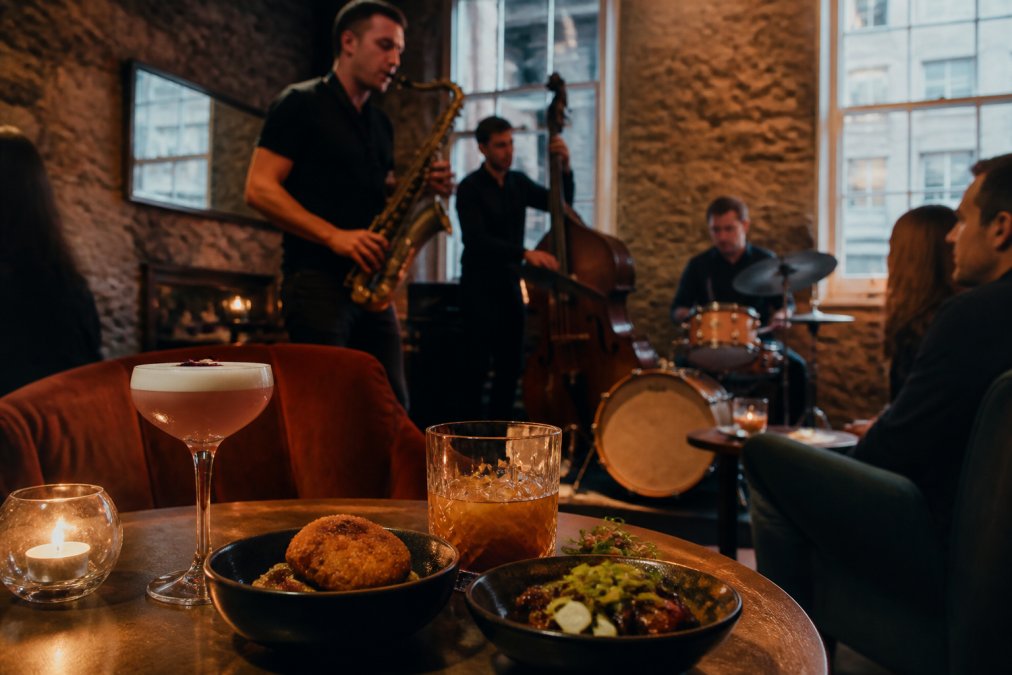
The environment matters. Hammerman's offers a relaxed, welcoming atmosphere where curiosity is encouraged rather than judged. Live music Friday and Saturday creates energy without overwhelming conversation. You can sit at the bar and watch cocktails being made, ask questions, and taste your way through different spirits at your own pace. We work with quality spirits across all categories, and we're genuinely interested in helping people move beyond generic drinking into something more thoughtful.
Starting with premium spirits doesn't require years of study or an enormous budget. It requires curiosity, willingness to taste carefully, and access to quality bottles and knowledgeable guidance. The 5 best premium spirits for beginners provide that foundation, each offers genuine character and smoothness that rewards attention without demanding expertise. Visit Hammerman's cocktail bar in Aberdeen city centre to taste these spirits with expert guidance, explore our small plates menu, and discover why proper introduction to premium spirits transforms casual drinking into genuine appreciation.
Frequently Asked Questions
What makes a spirit 'beginner-friendly' when looking at premium spirits for beginners?
Beginner-friendly premium spirits balance approachability with quality. They should have smooth mouthfeel, balanced flavour profiles without overwhelming alcohol burn, and versatility for sipping neat or mixing. Spirits aged in casks, lower ABV options, or those with naturally sweet or floral notes tend to be more welcoming for newcomers. The key is avoiding overly complex or heavily peated/smoky profiles initially.
Which smooth spirits for new drinkers UK are best for sipping neat versus mixing?
Glenmorangie Original and Diplomatico Reserva Exclusiva excel for sipping neat due to their smooth finish and balanced profiles. Hendrick's Gin and Ketel One work brilliantly for both approaches, they're complex enough to appreciate neat but versatile enough for classic cocktails. Beginners should start with neat tastings to understand the spirit's true character before mixing, building confidence with the palate.
How do I choose the best entry-level whisky UK for my first bottle?
Look for single malts aged 10 years or more, as maturation softens the alcohol's harsh edges. Glenmorangie Original 10 Year Old is widely recommended for beginners because it offers creamy vanilla and fruit notes without heavy peat. Consider your flavour preference: if you enjoy sweetness, go for bourbon-cask aged whiskies; if you're curious about smoke, try Talisker 10. Always taste before buying if possible.
What beginner-friendly cocktails UK can I make with premium spirits at home?
Start with simple serves: gin and tonic (Hendrick's with cucumber), rum and cola (Diplomatico), or vodka martini (Ketel One). These require minimal ingredients and let the spirit shine. Classic cocktails like the Daiquiri or Negroni teach proper technique without overwhelming complexity. Avoid overly sweet or layered drinks initially, focus on drinks with three to four quality ingredients that highlight the spirit's character.
Are there low-ABV premium spirits or alternatives for beginners who prefer lighter drinks?
Yes. Many premium spirits come in lower-ABV expressions (around 37-40% ABV instead of standard 40%). Fortified wines like vermouth or sherry offer elegant flavours at lower alcohol content. Aperitif spirits like Aperol or Lillet Blanc provide approachable, refreshing options. These are excellent for beginners who want to explore flavour without the intensity of standard spirits, and they work beautifully in lighter cocktails.
Keep reading
Related Articles


Ready to visit?
Book Your Table
Experience Hammerman's for yourself. Scottish small plates, handcrafted cocktails, and live music every weekend.
Book a Table