listicle
Craft Cocktail Alternatives Without Alcohol: A 2026 Guide
Last Updated: July 31, 2026
The non-alcoholic spirits market has grown beyond recognition in the past three years. What started as a niche category for designated drivers has become a sophisticated movement, with bartenders across the UK crafting zero-proof cocktails that rival their alcoholic counterparts in complexity and craft. At Hammerman's, our bar team has watched this shift closely, and the demand for craft cocktail alternatives without alcohol now represents a genuine third of our weekend orders. People want better options. Pregnant, on medication, driving, or exploring sober-curious living, the old assumption that you're stuck with juice or lemonade no longer holds. The ingredients exist to create drinks with genuine depth, bitterness, warmth, and complexity.
What Are Craft Cocktail Alternatives Without Alcohol
Craft cocktail alternatives without alcohol are sophisticated non-alcoholic drinks built using the same techniques and principles as traditional cocktails. They rely on layering flavour through bitters, syrups, infusions, botanicals, and zero-proof spirits, products specifically designed to mimic the mouthfeel, complexity, and satisfaction of alcoholic drinks without the ethanol.
The key difference between a craft mocktail and a juice-based alternative is intentionality. A proper craft cocktail alternative uses structure: a base (a non-alcoholic spirit or botanical elixir), a modifier (a secondary flavour that adds depth), an acid (usually citrus), and a finishing element (bitters, a garnish, carbonation). Non-alcoholic spirits are the cornerstone. These aren't energy drinks or cordials. They're distilled or infused products made with botanicals, spices, and flavourings designed to stand up in a glass the way gin, rum, or vermouth would. The second pillar is technique. Muddling fresh herbs releases their oils. Shaking with ice creates proper dilution and chill. Layering ingredients builds flavour complexity. These aren't optional flourishes, they're the mechanics that transform ingredients into a proper drink.
Non-Alcoholic Spirits UK: The Building Blocks
The non-alcoholic spirits market in the UK has matured rapidly. These products are made by people who understand distillation, flavour balance, and what makes a drink feel sophisticated rather than childish.
Seedlip Spice 94: Aromatic & Complex
Seedlip Spice 94 is one of the originals and remains one of the best. It's distilled with allspice, cardamom, and citrus, creating a warm, spiced base that works like a non-alcoholic rum or whisky. The flavour profile is complex: initial warmth of the spices, followed by citrus brightness, and a lingering herbal finish. What makes it work in cocktails is the depth. It doesn't taste like juice. It has weight and bitterness. Serve it with tonic and a splash of fresh lemon, add some bitters, and you've got something that feels like a proper drink. The sugar content is zero.
Lyre's Italian Spritz: Bittersweet & Zesty
Lyre's Italian Spritz is designed as a direct alternative to Aperol. It's bright orange, built with orange peel and rhubarb, and it has that distinctive bittersweet character that makes an Aperol Spritz work. The key strength here is versatility. Serve it with soda and ice, that's your spritz. Add it to a longer drink with tonic. Use it as a modifier in a zero-proof cocktail where you need brightness and a touch of bitterness. Lyre's also makes a full range of other spirits, so if you like the brand's approach, you can build an entire bar around them.
Three Spirit Livener: Functional Botanicals
Three Spirit Livener is a plant-based elixir infused with guayusa, guava leaf, schisandra, green tea, and ginseng. The positioning is functional, these botanicals are meant to provide an energising lift. What's undeniable is the flavour: bright, slightly spicy, with berry notes and a herbal complexity that suggests real thought went into the blend. The mouthfeel is different from other non-alcoholic spirits. It's thicker, more textured, and the unfiltered nature gives it a sense of authenticity. Use it as a base for a long drink with tonic and fresh mint, or mix it into a sour with citrus and a touch of homemade syrup.
Pentire Adrift: Coastal & Herbaceous
Pentire Adrift is crafted in Cornwall with botanicals like rock samphire, sage, and sea salt. The flavour profile is distinctly coastal: herbaceous notes, a saline quality, and citrus brightness that suggests sea air and wild herbs. This is a drink for people who like dry, savoury flavours. It's not sweet. It's not spiced. It's herbaceous and mineral, which makes it feel sophisticated and different from anything else on the shelf. Serve it with tonic and a sprig of fresh rosemary or thyme.
CleanCo Clean G: Affordable Gin Alternative
CleanCo Clean G is the entry point to premium non-alcoholic spirits. It's distilled in copper pots with juniper, lemon zest, and grapefruit, creating something that genuinely tastes like a proper gin. The trade-off is subtlety. It's less complex than Seedlip or Pentire. But it's also more accessible. If you want to build a home bar without significant investment, this is where you start. It has only 6 calories per measure and zero sugar. It works brilliantly in a G&T with a quality tonic and a proper garnish. Note that it contains 0.4% ABV, which technically makes it not completely alcohol-free, something to consider if you're avoiding all traces of alcohol for medical or personal reasons.
Zero-Proof Cocktails: Technique & Craft
The difference between a good zero-proof cocktail and a bad one is technique. You can have the best ingredients in the world, but if you don't understand how to build a drink, you'll end up with something that tastes like flavoured water.
Building Depth Without Distilled Spirits
A proper cocktail has structure: base spirit, modifier, acid, and finish. In a zero-proof cocktail, your base is a non-alcoholic spirit or botanical elixir. Your modifier might be a secondary spirit, a fortified wine alternative, or a concentrated syrup. Your acid is citrus, lemon or lime, freshly squeezed. Your finish is bitters, a garnish, or carbonation.
Start with your base. Pour 45ml of your chosen non-alcoholic spirit into a mixing glass. Add 15ml of your modifier, this might be a homemade syrup, a botanical cordial, or even a splash of quality vinegar if you want acidity and depth. Add 20ml of fresh lemon or lime juice. Add 10ml of simple syrup. Add a couple of dashes of bitters. Fill the glass with ice, shake hard for 10 seconds, and strain into a chilled coupe glass. What you've just made has balance. The base provides structure and botanical complexity. The modifier adds depth and flavour dimension. The acid brightens everything and prevents the drink from tasting flat. The bitters add a final layer of complexity. The key mistakes people make: not using enough ice, not shaking hard enough, using bottled lemon juice instead of fresh citrus, and not tasting as you go.
Layering Flavour: Bitters, Syrups & Infusions
Bitters are concentrated flavour in a bottle. A few dashes transform a drink. Angostura is the classic, but there are now botanical bitters, chocolate bitters, citrus bitters, and spiced bitters. In a zero-proof cocktail, bitters do heavy lifting because you don't have the complexity of distilled spirits to work with.
Syrups add sweetness and flavour. Simple syrup is the baseline: equal parts sugar and water, stirred until the sugar dissolves, cooled. While the syrup is still warm, add your flavouring: fresh ginger, fresh herbs like rosemary or thyme, spices like cinnamon or cardamom, or dried citrus peel. Let it steep for 20 minutes to an hour. Strain out the solids. You've made a custom syrup for a fraction of the cost of buying flavoured syrups. Infusions work the same way. Fill a clean glass jar with a non-alcoholic spirit and add dried botanicals: juniper berries, coriander seeds, dried citrus peel, dried chilli, dried herbs. Seal the jar. Leave it for a week, shaking occasionally. Strain through a fine sieve. You've created your own custom spirit.
Mocktail Recipes UK: From Home Bar to Craft
These recipes work at home with basic equipment: a mixing glass, a bar spoon, a jigger, a strainer, and a shaker.

The Zero-Proof Spritz
Pour 45ml of Lyre's Italian Spritz into a wine glass filled with ice. Add 90ml of quality tonic water. Top with a splash of soda. Squeeze a fresh orange slice over the drink to release the oils, then drop it in. Stir gently. What you've made is a proper aperitif. It has bitterness from the Lyre's, brightness from the tonic and orange, and the soda adds a gentle lift. The drink is refreshing without being sweet.
Herbaceous Tonic Serve
In a mixing glass, combine 45ml of Pentire Adrift with 15ml of fresh lemon juice, 10ml of homemade rosemary syrup, and 2 dashes of botanical bitters. Add ice, stir for 30 seconds, and strain into a coupe glass. The drink is dry, herbaceous, and complex. The rosemary syrup adds a savoury edge that makes the whole thing feel sophisticated. Garnish with a sprig of fresh rosemary.
Citrus-Forward Palate Cleanser
Pour 50ml of CleanCo Clean G into a mixing glass. Add 25ml of fresh grapefruit juice, 15ml of fresh lemon juice, 10ml of simple syrup, and a dash of citrus bitters. Add ice, shake hard, and strain into a coupe glass. Top with a splash of soda for lift. This one is bright and clean. The grapefruit adds a slightly bitter edge that balances the sweetness of the syrup. Serve it as an aperitif or between courses.
| Recipe | Base Spirit | Key Modifier | Flavour Profile | Best Served |
|---|---|---|---|---|
| Zero-Proof Spritz | Lyre's Italian Spritz | Tonic water | Bright, bittersweet, refreshing | Before dinner, warm weather |
| Herbaceous Tonic | Pentire Adrift | Rosemary syrup | Dry, savoury, complex | Evening aperitif, food pairing |
| Citrus Palate Cleanser | CleanCo Clean G | Grapefruit & lemon | Bright, clean, zesty | Between courses, afternoon |
Sophisticated Non-Alcoholic Beverages: Beyond the Basics
Some drinks don't fit neatly into the "cocktail" category but deliver genuine sophistication and complexity. Three Spirit Livener sits in this space. It's designed to be mixed into longer drinks where its energising botanicals can shine. Mix 30ml of Livener with 120ml of quality tonic, fresh mint, and a squeeze of lime. You've got a drink that tastes good and makes you feel like you're doing something intentional for your health.
Kombucha is the most accessible fermented option. It's a sweetened tea that's been fermented with a culture of bacteria and yeast, resulting in a slightly fizzy, slightly tangy drink. Flavours range from ginger to berry to herbal. Shrubs are another category: concentrated syrups made by fermenting fruit with vinegar and sugar. They're intensely flavoured and slightly tart. Mix 30ml of a quality shrub with soda water and ice, and you've got a sophisticated, refreshing drink that tastes nothing like juice.
Budget-Friendly DIY Alternatives to Craft Cocktail Ingredients
You don't need to buy expensive bottled products to build a sophisticated home bar. Simple syrup is the foundation. Combine equal parts caster sugar and water in a saucepan. Heat gently until the sugar dissolves, don't boil. Cool completely. You've got a base that will keep in the fridge for a month.
Shrubs are more involved but worth the effort. Combine equal parts fruit (fresh berries, sliced stone fruit, diced pineapple), sugar, and vinegar (apple cider or white wine vinegar) in a jar. Stir daily for a week. The fruit will break down, the sugar will dissolve, and the mixture will ferment slightly. Strain out the solids. You've got a concentrated syrup that's tart, complex, and completely custom to your taste. Fill a clean glass jar with a non-alcoholic spirit. Add dried botanicals: juniper berries, coriander seeds, dried citrus peel, dried chilli, dried herbs. Seal the jar. Leave it for a week, shaking occasionally. Strain through a fine sieve. You've created your own custom spirit. The cost is minimal and the results are often better than buying pre-made products because they're tailored to your taste.
Nutritional Transparency: Sugar Content & Health Considerations
Most premium non-alcoholic spirits contain zero sugar and minimal calories. Seedlip, Pentire, and CleanCo are all sugar-free. Lyre's Italian Spritz contains natural sugars from the fruit ingredients, which adds sweetness but also adds calories. Homemade syrups contain sugar by design. A standard cocktail uses 10-15ml of syrup, which translates to roughly 5-8 grams of sugar per drink. If you're watching sugar intake, that's worth accounting for.
Functional beverages like kombucha and Three Spirit Livener contain varying amounts of sugar depending on the brand. Kombucha typically has 2-5 grams of sugar per 250ml serving because much of the original sugar is consumed during fermentation. If you're pregnant, on medication, or managing a health condition, check with your doctor before consuming large quantities of functional beverages or herbal infusions. Some botanicals interact with medications.
Hosting a Sober-Friendly Gathering Without Compromise
The shift toward sober-curious culture means hosting gatherings where everyone has a proper drink matters more than ever. You're not serving "non-alcoholic alternatives", you're serving craft cocktails. Stock your bar with at least two non-alcoholic spirits. Lyre's Italian Spritz covers the aperitif crowd. Seedlip or Pentire covers people who want something more complex. Have quality tonic, fresh citrus, fresh herbs, and a good bitters on hand.
Prepare one or two signature zero-proof cocktails in advance. Mix the base ingredients in a large jug, chill it, and pour individual servings over ice when people arrive. This takes pressure off you during the gathering and ensures consistency. Have non-cocktail options available. A good kombucha, quality sparkling water with fresh fruit, or a simple shrub-based drink gives people who don't want a cocktail something that still feels intentional and crafted. The key is treating zero-proof drinks as legitimate drinks, not afterthoughts. Chill your glasses. Use fresh ingredients. Build with technique. Garnish properly. When you do this, people stop noticing that there's no alcohol. They just notice that they're drinking something good.
If you're looking to explore craft cocktail alternatives in person, the Cocktail Bar Aberdeen at Hammerman's on Golden Square offers expert guidance from our bar team, paired with the backdrop of live music on Friday and Saturday nights. Our team can walk you through zero-proof cocktails built with the same care and technique as any spirit-based drink, and our Scottish Small Plates Restaurant Aberdeen menu pairs beautifully with these sophisticated non-alcoholic options. Book a table at hammermans.com.
Frequently Asked Questions
What is a good non-alcoholic alternative to a craft cocktail?
Non-alcoholic spirits like Seedlip, Lyre's, and CleanCo offer sophisticated bases for zero-proof cocktails. These distilled botanical alternatives deliver complexity and depth comparable to traditional spirits. Pair them with quality tonic, fresh citrus, bitters, and house-made syrups to create craft cocktail alternatives without alcohol that rival their alcoholic counterparts in flavour and mouthfeel.
What are the best non-alcoholic spirits available in the UK?
Leading options include Seedlip Spice 94 for aromatic complexity, Lyre's Italian Spritz for aperitif-style drinks, Pentire Adrift for coastal botanicals, and CleanCo Clean G for an affordable gin alternative. Each offers distinct flavour profiles, from herbaceous and dry to fruity and functional. Three Spirit Livener appeals to those seeking adaptogens and energising botanicals. Selection depends on your preferred taste profile and intended serve.
Can I make craft mocktail recipes at home without expensive non-alcoholic spirits?
Yes. Create homemade syrups, shrubs, and botanical infusions to build depth and complexity. Combine quality tonic, fresh citrus, herbs like mint and sage, and artisanal bitters to craft sophisticated zero-proof cocktails. House-made infusions using tea, spices, and botanicals add mouthfeel and layered flavour. This DIY approach is budget-friendly and allows you to tailor recipes to your palate while maintaining craft cocktail quality.
What ingredients go into sophisticated non-alcoholic beverages?
Craft non-alcoholic drinks combine distilled non-alcoholic spirits, premium tonic and soda, fresh citrus, herbs, spices, and house-made syrups. Functional options include adaptogens like ginseng and schisandra, whilst fermented ingredients such as kombucha add complexity. Quality bitters, fresh garnishes, and attention to carbonation and mouthfeel elevate these beverages beyond simple mocktails into genuinely sophisticated drinks worthy of a proper bar experience.
Are craft cocktail alternatives without alcohol suitable for pregnancy or medical conditions?
Most zero-proof spirits and mocktails are suitable for pregnancy and alcohol-free diets. However, some ingredients warrant caution, certain adaptogens and herbal infusions may interact with medications, and sugar content varies significantly between brands. Always check product labels for allergens and specific ingredients. If pregnant or managing a medical condition, consult your healthcare provider before consuming unfamiliar botanical or functional beverages.
Keep reading
Related Articles
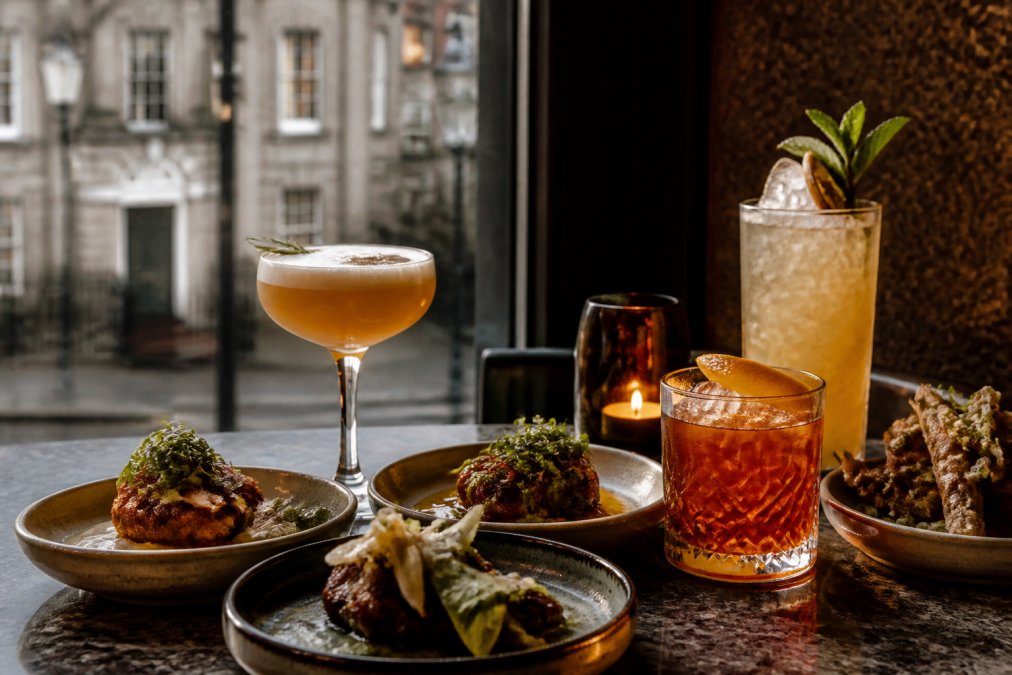
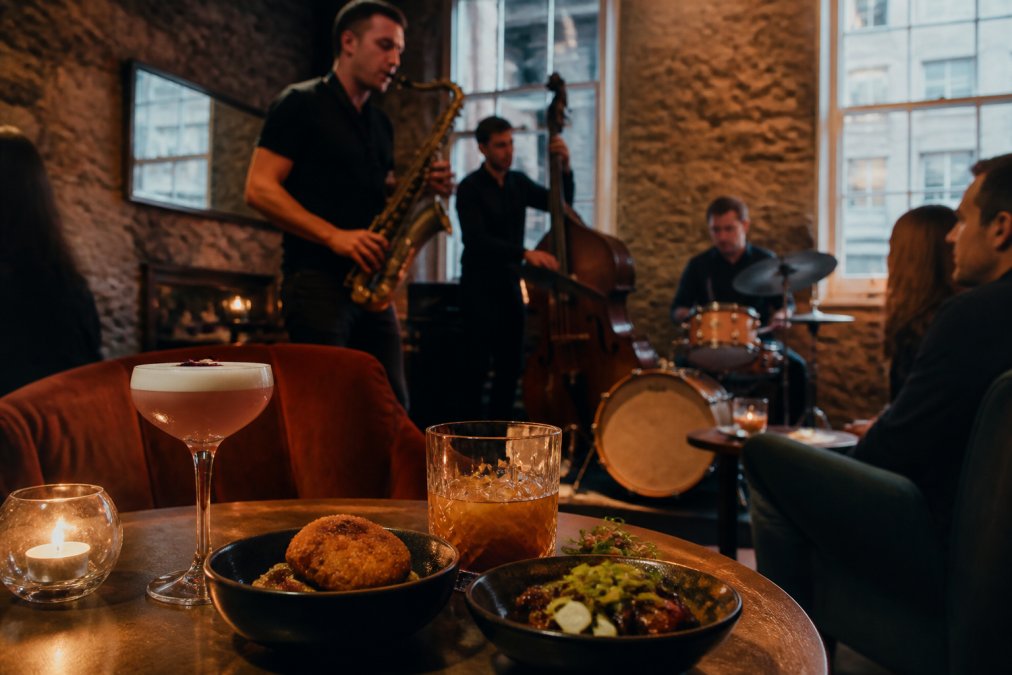
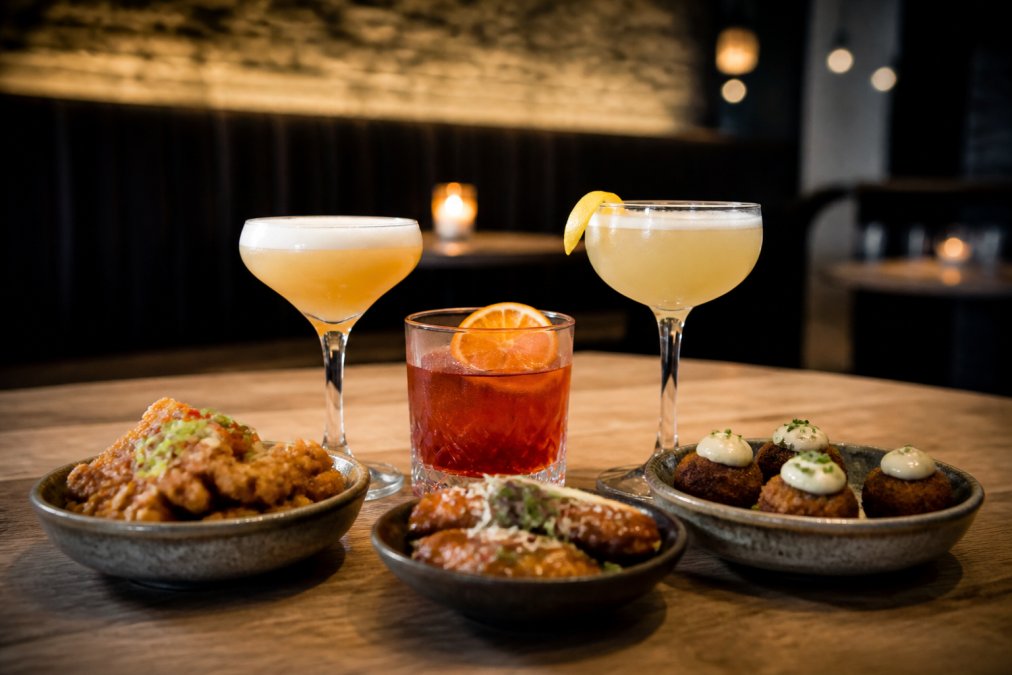
Read how Hammerman's creates its drinks in our guide to scratch-made cocktails in Aberdeen.
Ready to visit?
Book Your Table
Experience Hammerman's for yourself. Scottish small plates, handcrafted cocktails, and live music every weekend.
Book a Table