listicle
Why Do Restaurants Serve Small Plates: A Complete Guide
Last Updated: August 4, 2026
Understanding why do restaurants serve small plates requires looking at the intersection of culinary artistry, business strategy, and the psychology of eating. At Hammerman's, we've watched this dining format reshape how people experience food and socialise around the table. Small plates have become far more than a trendy menu format, they represent a fundamental shift in how restaurants approach profitability, ingredient quality, and the entire dining experience. Below, we'll explore the genuine reasons behind this shift, from the kitchen's perspective to the bottom line, and why restaurants continue to embrace this approach across fine dining and casual venues alike.
Why Do Restaurants Serve Small Plates: The Business Case
The financial logic behind small plates is straightforward, though it operates on several levels simultaneously. When restaurants serve small plates instead of traditional large mains, they gain immediate control over food costs and portion management. A kitchen producing five different small plates uses precise ingredient quantities, reducing waste compared to plating hefty portions that customers may not finish. This precision directly impacts profit margins.
Table turnover matters enormously in restaurant economics. Small plates encourage diners to order multiple courses, extending the meal duration in a way that feels natural rather than rushed. A table that might have spent 75 minutes on a single large main course now spends 90-120 minutes ordering progressively through several small plates. This extended engagement increases the likelihood of additional drinks orders, desserts, and coffee, categories with exceptionally high profit margins. Dishboard's food cost management research shows that restaurants managing portion control through smaller dishes see measurable improvements in gross profit percentage.
The pricing psychology works in the restaurant's favour too. A small plate priced at £8 feels more accessible than a £28 main course, yet six small plates across a meal generates £48 in food revenue while maintaining customer satisfaction. The psychological perception of value shifts when diners feel they're sampling multiple dishes rather than paying for one large plate.
Menu engineering becomes simpler with small plates. A kitchen can test new flavour combinations and ingredient pairings without committing to full-portion production. If a dish doesn't resonate, rotating it out costs less in wasted ingredients and labour. Conversely, popular dishes can be produced in smaller batches, maintaining freshness and consistency.
The Culinary Artistry Behind Small Plates
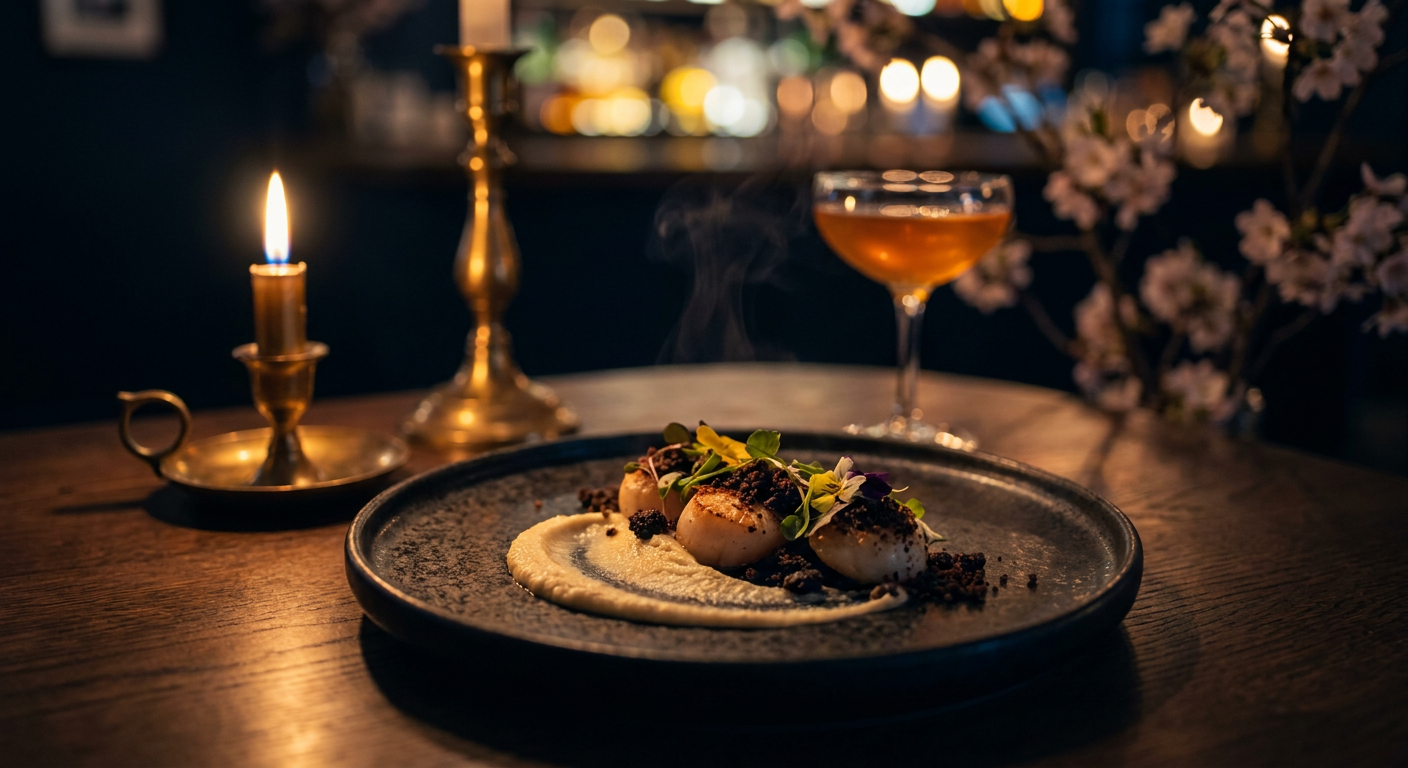
Presentation transforms entirely when plating small portions. Chefs gain creative freedom that larger plates simply don't allow. A small plate becomes a canvas for precise garnishing, careful colour balance, and architectural plating techniques that would look overwrought on a traditional main course. The visual impact of a beautifully composed small plate, whether it's a single scallop with microgreens and citrus foam or a carefully balanced arrangement of cured meats and pickled vegetables, creates an immediate impression of quality and care.

This presentation matters because it signals value. When diners see thoughtful plating, they perceive the dish as more refined and justify the cost in their minds. The sensory experience begins visually before the first bite. Flavour intensity becomes manageable in smaller portions too. A rich, intense flavour profile, perhaps a deeply umami-forward mushroom dish or a concentrated sauce, lands more effectively in a small plate format. Diners experience the full sensory impact without the palate fatigue that can accompany larger portions of intensely flavoured food.
Menu engineering through small plates allows kitchens to showcase ingredient sourcing more effectively. Rather than hiding premium ingredients in a large plate where their individual character might be diluted, small plates highlight specific, carefully selected components. A single piece of seared scallop, a few grams of aged Parmesan, or a precisely portioned piece of cured fish becomes the focal point. This approach justifies premium pricing for high-quality ingredients because each element is visible and distinct.
Small Plates Dining Aberdeen: The Social Experience
The communal aspect of small plates dining fundamentally changes how people experience a meal together. When a table orders multiple small plates intended for sharing, the dynamic shifts from individual consumption to collective exploration. Diners pass plates, discuss flavours, and make recommendations to one another. This shared dining experience creates stronger social bonds and more memorable occasions.

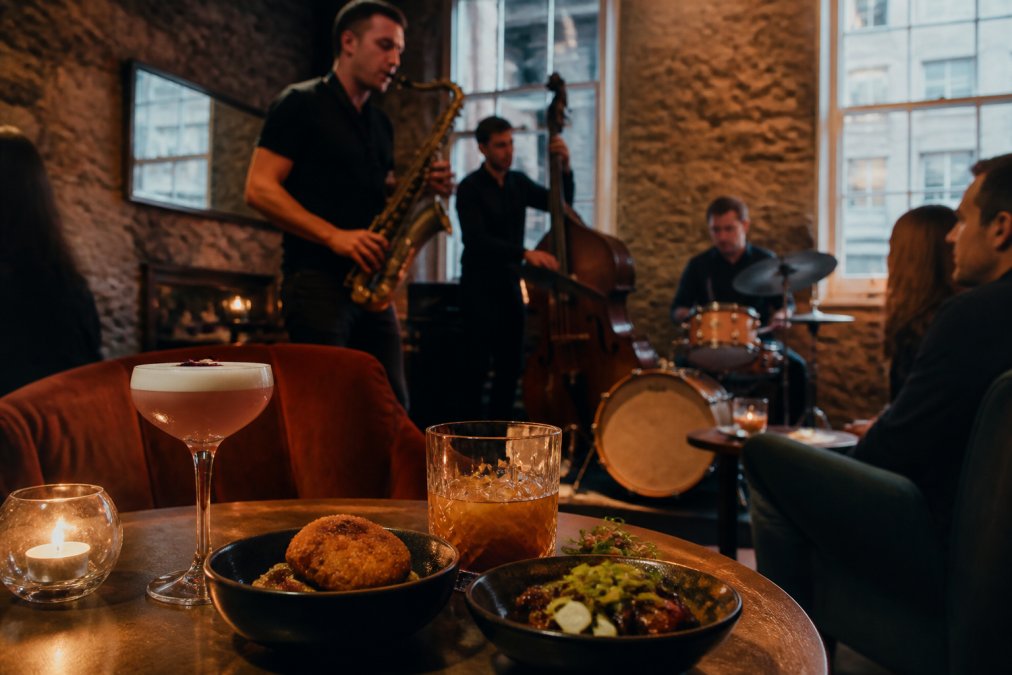
The format encourages conversation in ways traditional mains don't. Rather than each person focusing on their own plate, small plates prompt discussion: "Try this one," "What do you taste here," "Should we order another round." This interactive element makes dining feel less like consumption and more like an event. For venues like Hammerman's Scottish Small Plates Restaurant Aberdeen, where live music on Friday and Saturday evenings complements the dining experience, small plates fit naturally into an evening designed around social engagement rather than pure sustenance.
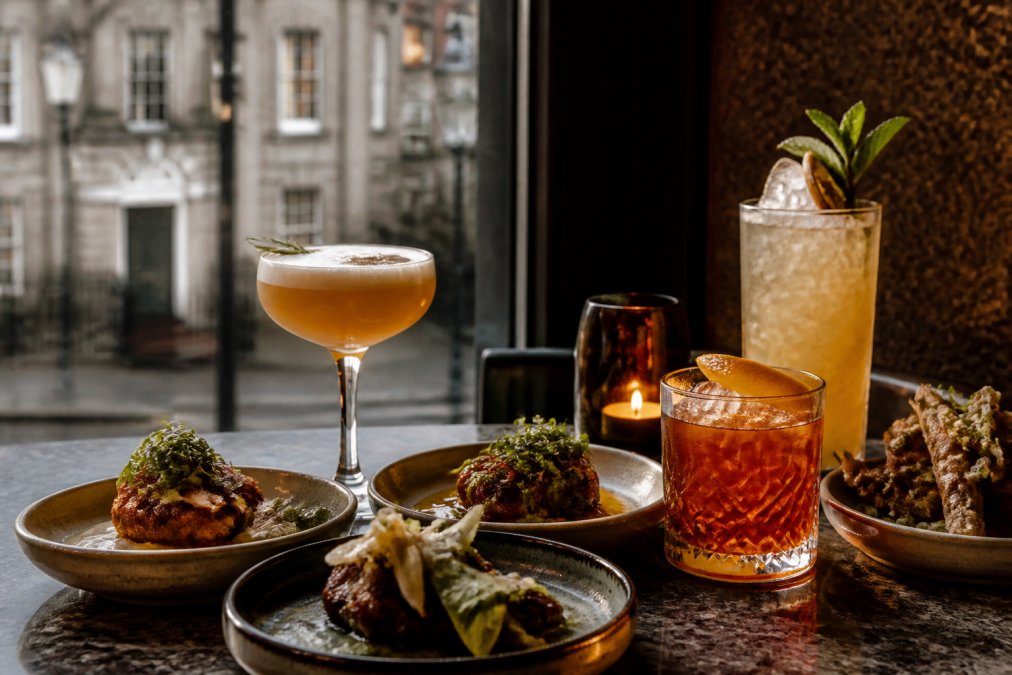
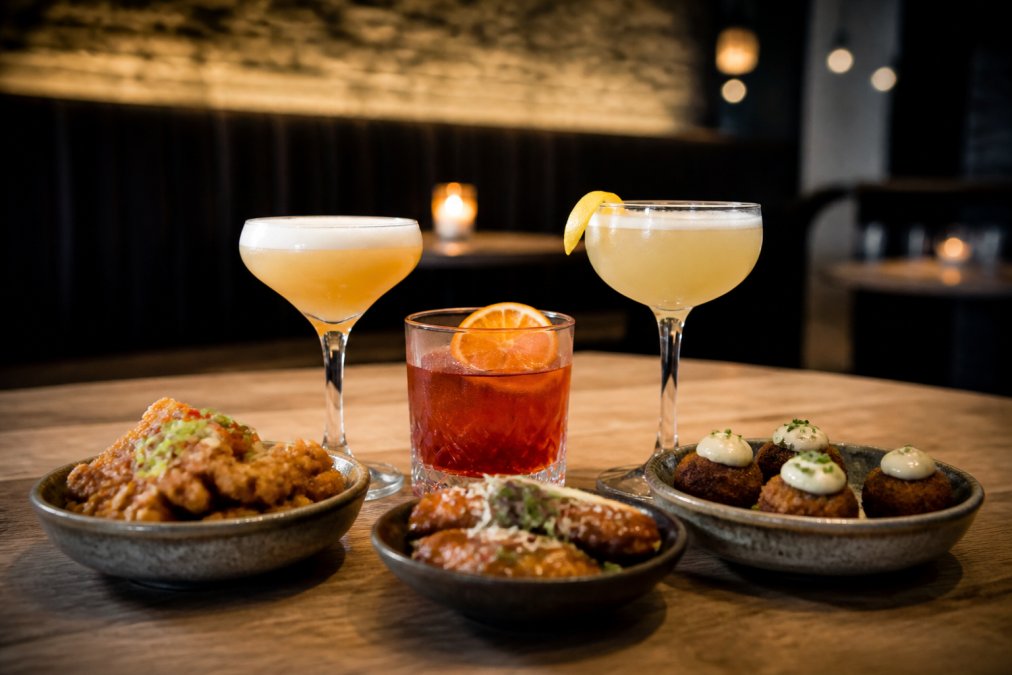
Beverage pairing opportunities expand significantly with small plates. A cocktail bar Aberdeen can suggest drinks that complement specific plates, creating natural upselling moments without feeling aggressive. A craft cocktail pairs differently with a delicate cured fish course than with a rich mushroom dish. This variety encourages customers to explore the bar's full range, increasing average spend per person. Wine pairings work similarly, different plates call for different wines, allowing venues to showcase their selection across a single meal.
How Many Small Plates Per Person: Finding the Right Balance
The question of portion sizing reveals something competitors rarely discuss: the neuroscience of why small plates feel more satisfying than traditional large mains, even when total calories are similar. Understanding this mechanism explains why restaurants have shifted toward this format and why diners report feeling genuinely full after a small plates meal.
When you eat a single large plate of food, your brain's satiety signals operate on a time delay. Fullness cues, stretch receptors in the stomach, hormonal signals like leptin and cholecystokinin, take roughly 20 minutes to register. A diner consuming a 400g steak and chips experiences the full sensory impact within minutes, but the brain doesn't register satiation until well into the meal. By then, they've often consumed more than necessary. Small plates disrupt this pattern. Eating three different 80-100g courses over 90 minutes gives satiety signals time to accumulate and register between courses. The variety itself, different flavours, textures, temperatures, and presentations, keeps the palate actively engaged rather than dulled by repetition. This engagement signals to the brain that eating is still an active, interesting process, not a mechanical consumption task.
Palate fatigue is a genuine physiological response. Taste receptors adapt to repeated stimuli; after eating the same flavour for 15 minutes, sensory perception diminishes measurably. The food tastes less intense, less interesting. A diner might push the plate away half-finished not because they're full, but because the eating experience has become monotonous. Small plates eliminate this problem entirely. Moving between a delicate cured fish course, a rich mushroom dish, and a bright citrus-forward plate keeps taste receptors responsive and the dining experience engaging throughout.
A practical guideline suggests three to four small plates per person for a full meal, though this varies based on individual appetite and actual plate size. This range sits comfortably between restraint and abundance. Diners experience multiple courses and flavour profiles without the heaviness of traditional seven-course fine dining. The pacing also allows the kitchen to manage production flow more smoothly than juggling dozens of identical main courses simultaneously, each requiring the same plating sequence and timing.
The value paradox in small plates pricing deserves closer attention. Diners often perceive small plates as expensive relative to traditional mains, a £8 plate feels like less food than a £22 main, yet the total meal cost and experience value frequently exceed what they'd spend elsewhere. A table ordering six small plates spends substantially more on food than a table ordering two traditional mains, plus drinks and potentially dessert. That total expenditure feels justified because the variety, presentation, and extended engagement created a genuinely memorable experience. The restaurant benefits from higher per-table revenue whilst the diner feels they received genuine value because the meal satisfied them more completely than volume alone could achieve.
Sustainability and Food Waste Reduction
Small plates inherently reduce food waste compared to larger portion formats, but the mechanism is more nuanced than simply serving less food. The reduction comes from precision and ingredient utilisation, two factors that reshape how a kitchen operates.
When a kitchen portions dishes precisely for small plates, waste in preparation decreases measurably. A traditional plating system might prepare 200g of protein for a main course, with 15-20% loss in trimming, seaming, and portioning. Small plates using 60-80g of the same protein still require trimming and preparation, but the percentage loss remains constant whilst the absolute waste per cover drops significantly. Across 150 covers in a service, this compounds. A kitchen producing 150 traditional mains wastes perhaps 4.5-6kg of protein trimmings. The same kitchen producing 450 small plates (three per person) might waste only 5-7kg total, despite serving three times the number of dishes. The efficiency gain comes from batch preparation and standardised portioning.
The format also allows restaurants to use ingredients more creatively and completely. A butcher's trim, vegetable offcut, or secondary cut that wouldn't suit a large plated dish becomes viable in a small plate context. Nose-to-tail cooking and whole-ingredient utilisation fit naturally within small plates menus. A restaurant might use beef cheek, lamb neck, or fish collars, cuts that require technique but yield exceptional flavour, in ways that traditional large-plate service would find uneconomical. This approach appeals to environmentally conscious diners and aligns with broader sustainability expectations in contemporary hospitality.
Storage and spoilage patterns shift with small plates too. A kitchen preparing 150 identical mains must have all components ready simultaneously, increasing the risk of over-preparation and spoilage if demand falls short. Small plates allow more flexible production. If a particular dish isn't selling as expected, the kitchen can reduce production immediately without significant loss. Popular dishes can be produced in smaller batches, maintaining freshness and consistency. This flexibility reduces the waste that comes from preparing too much of the wrong thing.
The sustainability argument extends to sourcing. Small plates allow restaurants to work with local suppliers on smaller, more frequent orders rather than demanding large weekly volumes. This model supports smaller producers and reduces the transportation footprint associated with bulk purchasing. A kitchen can source seasonal ingredients more responsively, rotating dishes as availability changes rather than forcing suppliers to meet large, fixed orders year-round.
The Evolution of Fine Dining Trends
Small plates emerged from haute cuisine kitchens as a response to changing attitudes about what fine dining should deliver. Rather than emphasising abundance and large portions as markers of luxury, contemporary fine dining prioritises refinement, precision, and the chef's creative expression. Small plates became the vehicle for this shift.
The format also reflects changing consumer preferences around health and wellness. Diners increasingly seek meals that feel indulgent without being heavy. Small plates deliver luxury through quality and technique rather than quantity. This positioning appeals to affluent diners who view fine dining as an experience and education rather than purely as feeding themselves.
Small Plates at Hammerman's: Quality Over Quantity
At Hammerman's in Aberdeen's Golden Square, small plates represent our philosophy about food and hospitality. Our kitchen, led by Executive Chef Ryan Pirie with Head Chef Matthew Stewart and Senior Sous Chef Adam Stewart, approaches each small plate as an opportunity to showcase Scottish ingredients and precise technique. The format allows us to rotate seasonal specials, test new flavour combinations, and maintain the consistency that builds loyal customers.
The any three plates offer reflects how small plates economics work in practice. We can offer genuine value through volume and variety whilst maintaining the margin structure that allows us to invest in ingredient quality and kitchen expertise. The format encourages exploration, diners try combinations they might not otherwise order, discovering new preferences and returning specifically to repeat their favourites. Whether you're planning a casual evening with friends or looking to impress colleagues, our Scottish Small Plates Restaurant Aberdeen provides the setting and kitchen expertise to make it memorable.
Small plates represent far more than a menu format. They're a response to genuine shifts in how restaurants operate, how diners want to experience food, and what constitutes value in contemporary dining. The format rewards kitchens that invest in technique and ingredient quality, encourages social dining experiences, and creates sustainable business models. At Hammerman's, we've embraced small plates because they align with how we believe food should be approached, with precision, creativity, and respect for the ingredients themselves. If you're ready to experience why restaurants have adopted this approach, book a table at Hammerman's and discover how small plates create something larger than the sum of their parts.
Frequently Asked Questions
Why do restaurants serve small plates instead of larger portions?
Restaurants serve small plates for multiple reasons: they improve profit margins by controlling food costs, allow higher table turnover, showcase culinary artistry through careful presentation, and create a more interactive dining experience. Small plates also reduce food waste and allow diners to sample more flavours without overcommitting to a single large dish. This model works particularly well in fine dining and social dining settings where the experience matters as much as the food itself.
How many small plates per person should I order for a full meal?
Most restaurants recommend three to four small plates per person for a satisfying meal, though this varies by appetite and plate size. At Hammerman's, any three plates provides a balanced dining experience. The beauty of small plates dining is flexibility, you can order fewer plates for a light meal or more for a hearty one. Consider sharing plates with your group to sample a wider range of dishes and create a more social dining atmosphere.
Are small plates good value for money?
Small plates can offer excellent value when you consider what you're paying for: carefully sourced local ingredients, skilled preparation, artistic presentation, and the ability to try multiple flavour profiles in one meal. The perceived 'value paradox' often comes from comparing portion size alone rather than overall experience. At Hammerman's, three plates for a fixed price removes the guesswork, allowing you to enjoy quality Scottish cuisine without worrying about whether you're getting value.
What's the difference between small plates and tapas?
While often used interchangeably, small plates is a broader dining concept that can apply to any cuisine and cooking style, whereas tapas specifically refers to Spanish small plates with traditional preparation methods. Small plates dining emphasises variety, social sharing, and culinary creativity across different cuisines. Both styles encourage shared dining and exploration, but small plates restaurants like Hammerman's focus on locally sourced Scottish ingredients and contemporary plating techniques rather than traditional Spanish recipes.
Keep reading
Related Articles
Ready to visit?
Book Your Table
Experience Hammerman's for yourself. Scottish small plates, handcrafted cocktails, and live music every weekend.
Book a Table