how-to guide
How Many Small Plates Per Person: A Dining Guide
Last Updated: July 22, 2026
When planning a meal at a restaurant or hosting a gathering, figuring out how many small plates per person can feel like guessing. Too few, and your guests leave hungry. Too many, and you're throwing away food and money. This guide breaks down the practical math behind small plates dining, helping you order with confidence whether you're dining out or planning an event.
The answer depends on several factors: whether this is appetizers before a main course, a full tasting menu experience, the appetite level of your guests, and what drinks are involved.
How Many Small Plates Per Person: The Basics
Most restaurants define small plates as individual portions ranging from 2 to 4 ounces of food. The standard recommendation for a full meal of small plates is 4 to 6 plates per person, though this shifts based on context.
If you're ordering small plates as appetizers before a main course, plan for 2 to 3 plates per person. For a full tasting menu or tapas-style dinner where small plates are the entire meal, 5 to 7 plates per person works better. At restaurants offering any 3 plates for a fixed price, this model works because three thoughtfully chosen plates, say, a seafood option, a meat dish, and a vegetable preparation, provide enough balance and satiety for most diners.
The appetite and preferences of your guests matter enormously. Hearty eaters might need 6 to 8 plates per person, while lighter eaters might be content with 3 to 4.
Defining Small Plates and Portion Sizes
Small plates dining sits somewhere between traditional appetizers and full entrees. Each plate is designed to be consumed in just a few bites, encouraging sharing and variety over volume.
A typical small plate weighs between 2 and 5 ounces of finished food, roughly the size of your palm. In practice, that might be four slices of cured meat, a scoop of seafood salad, a single piece of bread topped with a spread, or a small bowl of braised vegetables.
The portion size reflects a deliberate philosophy: showcase quality ingredients and technique without overwhelming the palate. Small plates allow diners to try more dishes in one sitting than they could with traditional large entrees. The best [Scottish Small Plates Restaurant Aberdeen](https://hammermans.com/restaurant) calibrate portions so that 4 to 6 plates feel like a proper meal without leaving diners uncomfortably full.
Appetizer Portions Per Person: What Works
When small plates serve as appetizers before a main course, plan for 2 to 3 small plates per person during a 1 to 2 hour cocktail hour. For longer events spanning 3 hours, guests typically consume 4 to 5 plates per person throughout the evening as they graze rather than sit down for a formal meal.
The type of small plate matters. Rich dishes like duck confit should count as more substantial than light vegetable preparations. Seafood tends to feel lighter than meat.
Tapas Serving Size Per Person: Finding the Right Balance
Tapas, the Spanish tradition of small plates, offers useful guidance for calculating portions. In a proper tapas experience, diners typically consume 5 to 8 plates per person over 2 to 3 hours at a leisurely pace.
The key difference from other small plates dining is the social structure. Tapas is inherently communal, with plates arriving and people helping themselves. In a shared-plate model, diners tend to take smaller portions of each dish. In a plated service where each person gets their own small plate, people eat more total volume.
For a tapas-style gathering where small plates are the main meal, plan for 4 to 6 plates per person. If drinks are generous and the evening is long, 6 to 8 plates per person isn't excessive.
Meat, Seafood, and Vegetable Considerations
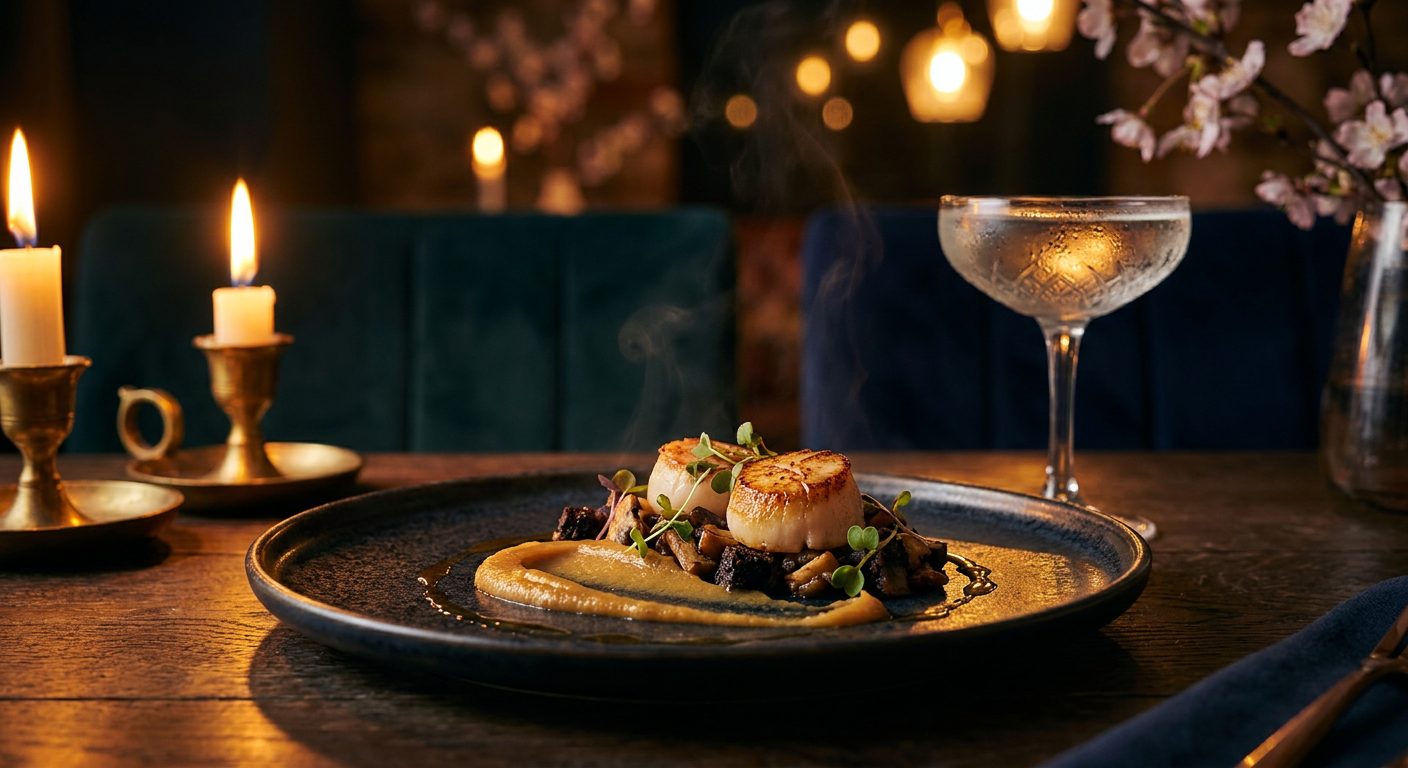
Not all small plates are created equal in terms of satiety. Meat and seafood plates tend to be more satisfying. A small plate of grilled octopus, pan-seared scallops, or braised beef cheek delivers protein and richness that leaves diners feeling fuller longer.
Vegetable-focused plates feel lighter. Diners typically want more of these plates, or they pair them with richer dishes for balance. Cheese and cured items fall somewhere between, calorie-dense but consumed slowly.
A well-ordered small plates meal balances these categories. Aim for roughly one-third meat or seafood, one-third vegetables, and one-third cheese, bread, or other items.
Using a Party Food Calculator for Small Plates
When hosting a private event, start with your guest count and multiply by your target plates per person. If you're hosting 12 people for a small plates dinner wanting 5 plates per person, that's 60 plates total.
Meat dishes typically outsell vegetable options by 20 to 30 percent. A realistic calculation: identify your most popular 3 to 4 dishes and plan for 40 percent of your total plates to come from these, distributing the remaining 60 percent across other options.
Adjusting for Dietary Restrictions and Preferences
Small plates dining is inherently flexible, making it easier to accommodate dietary needs than traditional multi-course meals. When taking orders, ask guests upfront about vegetarian, vegan, gluten-free, and allergy requirements.
For a group with mixed dietary requirements, plan for 1 to 2 extra plates per dietary category. If you have 3 vegetarian guests, order 2 to 3 extra vegetable-focused plates beyond your base calculation. Religious or cultural dietary restrictions should be confirmed with the restaurant in advance.
How to Host a Tapas Party: Ordering Strategy for Groups
Start by deciding the tone. Casual events work well with 3 to 4 plates per person. Formal dinners benefit from 5 to 6 plates per person with structured ordering.
Create a rough menu before ordering. Aim for 8 to 12 different small plates if you have more than 8 guests. Order in waves if the event is longer than 2 hours, placing your first order 15 minutes after guests settle in and the second wave 45 minutes later. This keeps food fresh and creates natural pacing. For those planning a special occasion, [Private Hire Aberdeen](https://hammermans.com/hire) venues can handle the logistics while you focus on enjoying the experience.

Drink Pairing Influence on Plate Quantity
What people drink affects how much they eat. Guests drinking cocktails or wine typically eat more small plates than those drinking only water or soft drinks. Plan for 6 to 8 plates per person in a group where cocktails are flowing, versus 4 to 5 plates per person in a more sober gathering.
Wine and beer, consumed steadily throughout an event, encourage continuous eating. Cocktails, often consumed more slowly, create natural pauses between plates.
Common Mistakes When Ordering Small Plates
The first mistake is ordering too conservatively. It's better to have one or two extra plates than to run short.
The second mistake is over-ordering identical dishes. Variety matters more than quantity in small plates dining.
The third mistake is ignoring the balance of flavors and textures. Pair rich with light, hot with cold, familiar with adventurous.
The fourth mistake is not accounting for the social dynamics of the group. Watch the first round and adjust your second order accordingly.
The fifth mistake is forgetting that small plates are meant to be shared and savored, not rushed through. Pacing matters.
Small Plates Dining in Aberdeen: A Practical Approach
When dining out at a small plates restaurant, start by asking the server how many plates they recommend for a full meal. Most will suggest 4 to 6 per person. If uncertain, order conservatively first, you can always order more.
Pay attention to the menu structure. Understanding how plates are organized helps you order strategically. Ask about portion sizes if the menu doesn't specify.
Consider the progression of flavors. Order lighter, fresher plates first, move to richer plates mid-meal, and finish with something bright or slightly sweet if available.
Conclusion
Figuring out how many small plates per person requires balancing guest appetite, meal context, dietary needs, and the pace of the event. The standard recommendation of 4 to 6 plates for a full small plates meal works for most situations, but adjust based on your specific group and occasion.
The beauty of small plates dining is flexibility. You can try multiple preparations, share flavors across the table, and pace your meal however you like. Whether you're hosting a private gathering or dining out, the formula is the same: order with intention, leave room for discovery, and prioritize variety over volume.
Ready to experience small plates done right? Visit Hammerman's in Aberdeen's Golden Square, where Executive Chef Ryan Pirie and the kitchen team craft seasonal small plates from local Scottish produce. With live music every Friday and Saturday, no cover charge, and the flexibility to order any 3 plates as a complete meal, Hammerman's makes small plates dining accessible and memorable. Book a table at hammermans.com and discover why small plates dining has become the preferred way to eat in Aberdeen.
Frequently Asked Questions
How many small plates per person should I order for a dinner party?
For a full dinner experience, plan 5-7 small plates per person. If you're serving appetizers before a main course, 3-4 plates work better. The amount depends on appetite, duration, and whether alcohol is involved, cocktails and wine often reduce how much food guests consume. For special occasions at a restaurant like Hammerman's, staff can guide portion recommendations based on your group size and preferences.
What's the difference between appetizer portions per person and small plates?
Appetizer portions are typically 1-2 ounces and meant as starters before a larger meal. Small plates are larger, usually 2-4 ounces each, and designed as a complete dining experience where you order multiple plates to share or enjoy individually. Appetizers are lighter; small plates are more substantial. When calculating food for events, small plates require higher quantities per person than traditional appetizers.
How do I use a party food calculator for small plates?
Start by noting your guest count, event duration, and whether it's a cocktail hour (2-3 hours) or full dinner (3-4 hours). For cocktail events, plan 4-5 small plates per person. For dinner service, aim for 5-7 plates. Account for dietary restrictions by calculating separate portions for vegetarian, gluten-free, or other needs. Adjust upward if alcohol is served, as guests often eat less when drinking. A calculator should factor in plate variety to avoid food waste.
How many tapas should I order if I'm hosting a 2-hour party?
For a 2-hour tapas party, order 4-5 small plates per person. This allows variety without overwhelming your guests. If it's a cocktail-style event with standing and mingling, reduce to 3-4 plates per person. Include a mix of meat, seafood, grains, and vegetable options to satisfy different preferences. At Hammerman's, the any-3-plates offering is perfect for trying multiple flavors while controlling portions and budgeting for group events.
Keep reading
Related Articles
Ready to visit?
Book Your Table
Experience Hammerman's for yourself. Scottish small plates, handcrafted cocktails, and live music every weekend.
Book a Table