how-to guide
How to Make Craft Cocktails at Home: A Complete Guide
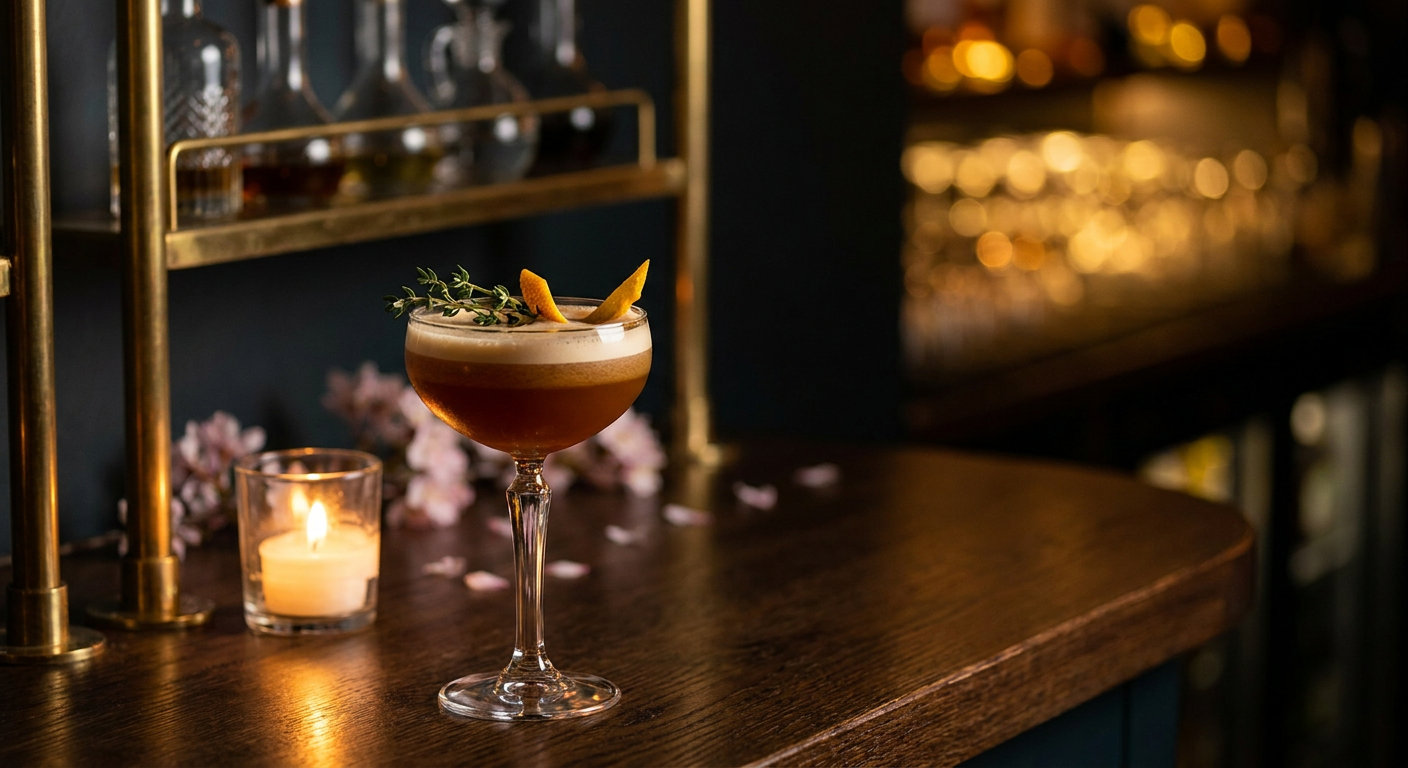
Learning how to make craft cocktails at home transforms your entertaining and gives you control over what you're drinking. Most people assume you need a bar's worth of equipment and years of training. The reality is simpler. With the right foundation, you can produce drinks that rival what professional bartenders create.
At Hammerman's, our bar team has spent years refining cocktail techniques, and we've learned that home bartenders often overthink the process. What separates an excellent drink from a mediocre one is understanding a handful of core principles: balance, dilution, technique, and quality ingredients.
Why Making Craft Cocktails at Home Is Worth Your Time
When you commit to making cocktails at home, you're investing in a skill that pays dividends every time you entertain. You control the quality of each ingredient and decide how much spirit goes into your glass. There's something deeply satisfying about the ritual: the clink of ice in a mixing glass, the snap of a citrus twist releasing oils, the moment a properly balanced drink hits your lips.
Home bartending teaches you how professional drinks work. You'll understand why certain spirits pair with certain modifiers and recognise when a drink is out of balance. The practical advantage is straightforward: cost. Once you've invested in basic equipment and a small collection of spirits, your per-drink cost drops dramatically. You're never limited by what a bar menu offers.
Essential Bar Tools for Home Bartenders
The Core Kit: What You Actually Need
You don't need thirty tools to make excellent cocktails. Focus on the essentials first.

A jigger is non-negotiable. This double-sided measuring cup comes in standard sizes, typically 25ml and 50ml on one end, 15ml and 45ml on the other. Precise measurement is the foundation of consistent cocktails.
A cocktail shaker comes next. The Boston shaker (two-part metal cup) is what professionals use. It's faster, more reliable, and easier to clean than the cobbler shaker.
A bar spoon stirs cocktails in a mixing glass and reaches the bottom of tall vessels. The twisted handle allows you to spin smoothly, which matters for proper dilution.
A Hawthorne strainer (the one with the coil) fits inside your shaker and prevents ice and debris from pouring into your glass.
A mixing glass is where you stir spirit-forward cocktails like Martinis and Negronis. Any sturdy glass works.
Nice-to-Have Tools
A citrus press extracts maximum juice from lemons and limes without adding bitterness. Fresh citrus juice is non-negotiable for quality cocktails.
A muddler crushes herbs and fruit to release oils and flavours. A weighted one with a flat base encourages the right motion.
An ice mould produces clear ice, which looks professional and melts more slowly than standard ice. Clear ice is a luxury, but if you're serious about craft cocktails, it's worth the freezer space.
A channel knife cuts thin strips of citrus peel for garnishes.
Cocktail Techniques: Shaking, Stirring, and Muddling
When to Shake and When to Stir
Shake when your cocktail contains citrus juice, cream, eggs, or other thick or acidic ingredients. Shaking aerates the drink, creates a silky texture, and properly dilutes these components. A Daiquiri, Sour, or Margarita must be shaken.
Stir when your cocktail is spirit-forward and contains only alcohol and aromatic modifiers like vermouth or bitters. A Martini, Manhattan, or Negroni is stirred. Stirring chills and dilutes the drink without introducing air bubbles. The result is silky and elegant rather than frothy.
A stirred drink reaches around 2°C, slightly colder than a shaken drink. More importantly, stirring develops a different mouthfeel. It's smoother, less textured. For drinks where the spirit's character is the star, this matters.
Professional bartenders shake with confidence and vigour. Your shaker should move fast and hard for about ten seconds. When you hear the ice rattling aggressively inside, you're doing it right.
Mastering the Muddle
Muddling is the art of gently crushing herbs and fruit to release their oils and flavours without destroying them. Most home bartenders muddle too hard. Aggressive muddling breaks leaves into tiny pieces, which adds bitterness and cloudiness.
Place your herb or fruit in the bottom of your shaker or mixing glass. Press down firmly but gently, using the weight of the muddler rather than force. Twist slightly as you press. This releases oils without pulverising the material. For mint in a Mojito, you want to see the leaves slightly bruised, not shredded.
Muddle immediately before adding other ingredients. If you muddle too early, the herb begins to oxidise and loses potency. Different herbs require different approaches. Mint responds well to a gentle press and twist. Basil needs even gentler handling, aggressive muddling turns it black.
The Science of Dilution and Mouthfeel
Dilution is where amateur cocktails often fail. Most home bartenders under-dilute their drinks, thinking dilution weakens the cocktail. The opposite is true. Proper dilution balances flavours, reduces alcohol burn, and creates the right mouthfeel.
When you shake or stir a cocktail, you're adding water from melting ice. This water is essential. It opens up the flavours of the spirit, softens the alcohol's sharp edges, and creates a rounded, balanced drink.
A properly made cocktail should contain roughly 20-25% water by volume. For a 60ml drink, that's about 12-15ml of water. Shaking for ten seconds adds approximately this amount. Stirring for thirty seconds adds slightly more.
Alcohol molecules are hydrophobic. Water acts as a bridge, allowing flavours to blend. Without enough water, your drink tastes hot and one-dimensional. With too much, it tastes weak and watery.
Making Homemade Cocktail Syrups and Infusions
Simple Syrup: The Foundation
Simple syrup is the base for countless cocktails. It dissolves easily in cold liquid, unlike sugar granules. Making it at home takes minutes.
Combine equal parts sugar and water by weight in a saucepan. Heat gently, stirring occasionally, until the sugar dissolves completely. This takes about three minutes. Remove from heat and let it cool to room temperature. Store in a clean bottle in the refrigerator, it keeps for several weeks.
The advantage of homemade simple syrup is control. You know exactly what's in it. Commercial syrups often contain preservatives and additives. Your homemade version is pure sugar and water, which lets the spirit and other ingredients shine.
Flavoured Syrups and Infusions
Honey syrup is simple: combine equal parts honey and warm water, stir until fully dissolved, cool, and store. It adds richness to drinks like a Whiskey Sour or Daiquiri.
Ginger syrup brings warmth and spice. Peel and slice fresh ginger, add it to your simple syrup while heating, then strain out the solids after cooling. Start conservatively, you can always make it stronger next time.
Herb-infused syrups work beautifully. Basil syrup pairs with gin and citrus. Rosemary syrup complements whiskey. Infuse your herb into the warm syrup, then strain. Fresh herbs are potent, and over-steeping produces a soapy, unpleasant flavour.
Citrus syrups are another option. Peel citrus zest into your simple syrup while it's still warm, let it cool, then strain. The oils from the zest infuse the syrup with bright flavour.
The advantage of infusions is flexibility. You're not limited to what commercial brands offer. If you want a cocktail with a specific flavour profile, you create the syrup to match.
Beginner Cocktail Recipes to Master First
Spirit-Forward Classics
The Martini is the foundation. Combine 60ml gin and 10ml dry vermouth in a mixing glass filled with ice. Stir for thirty seconds. Strain into a chilled coupe glass. Express a lemon twist over the surface and drop it in. The entire skill set for a Martini is understanding proper dilution and straining technique.
The Negroni teaches balance. Equal parts gin, Campari, and sweet vermouth (30ml each) stirred with ice and strained into a rocks glass over fresh ice. Garnish with an orange twist. The three ingredients have distinct flavours, but they balance perfectly. If one ingredient dominates, the drink is out of balance.
The Manhattan demonstrates how vermouth changes a spirit. Rye whiskey (60ml), sweet vermouth (30ml), and a dash of Angostura bitters stirred and strained into a coupe. The vermouth softens the whiskey's rough edges and adds complexity.
Citrus-Forward Crowd-Pleasers
The Daiquiri is the perfect teaching cocktail for shaking. White rum (60ml), fresh lime juice (30ml), and simple syrup (20ml) shaken with ice and strained into a coupe. This 3:2:1 ratio is the foundation for countless variations. Fresh juice is non-negotiable.
The Margarita follows the same principle with tequila. Blanco tequila (60ml), fresh lime juice (30ml), and Cointreau or triple sec (20ml) shaken and strained into a salt-rimmed coupe. The salt rim enhances the citrus and tequila.
The Whiskey Sour bridges spirit-forward and citrus-forward. Rye whiskey (60ml), fresh lemon juice (30ml), simple syrup (20ml), and a raw egg white shaken and strained. The egg white creates a silky foam that makes the drink memorable.
Ice Quality and Preparation Matter More Than You Think
Ice is the most overlooked ingredient in cocktails. Most home bartenders use whatever ice their freezer produces. This is a mistake. Ice quality dramatically affects the final drink.
Standard ice cubes melt quickly. As they melt, they dilute your drink faster than intended. Clear ice melts more slowly, which maintains the drink's balance throughout.
Clear ice freezes slowly, allowing impurities and air bubbles to escape. Standard ice freezes quickly, trapping air and impurities, which makes it cloudy. The cloudiness indicates internal fractures that accelerate melting.
If you're not ready to invest in an ice mould, use larger ice cubes instead of small ones. Larger cubes melt more slowly simply because they have less surface area.
Temperature matters too. Your mixing glass and serving glass should be cold before you pour. Warm glassware melts ice faster and dilutes your drink unevenly. Chill glasses in your freezer for five minutes before use, or fill them with ice water while you prepare the drink.
Common Mistakes That Ruin Homemade Craft Cocktails
Under-dilution is the most common error. Home bartenders shake or stir for too short a time, producing drinks that taste hot and one-dimensional. Shake for a full ten seconds. Stir for a full thirty seconds. The ice will be mostly melted when you're done. That's exactly what you want.
Warm glassware and warm ice create weak, watery drinks. The ice melts too quickly, adding excess water. Chill everything in advance.
Using bottled citrus juice instead of fresh is a close second to under-dilution. Bottled juice tastes stale and metallic. Fresh juice takes two minutes to squeeze and transforms the drink.
Incorrect proportions are another common issue. Home bartenders often guess at measurements instead of using a jigger. The same drink made twice tastes different. A jigger costs almost nothing and removes this problem entirely.
Over-muddling herbs produces bitter, cloudy drinks. Mint leaves that are shredded rather than bruised release chlorophyll, which tastes bitter. Gentle pressure and a twist is all you need.
Poor-quality spirits produce poor-quality drinks. You don't need expensive bottles, but the cheapest option usually tastes harsh and thin. Mid-range spirits offer excellent quality for home bartending.
Sustainability in Your Home Bar
Making cocktails at home is inherently more sustainable than visiting bars. You reduce packaging waste by buying spirits in larger bottles and control ingredient waste by using fresh produce efficiently.
Save citrus peels after juicing. Citrus oils are valuable and can be infused into simple syrups or spirits. You can also compost peels rather than throwing them away.
Fresh herbs like basil and mint can be dried for later use or infused into syrups before they spoil. A small dehydrator lets you preserve herbs indefinitely.
Spirits bottles are glass and recyclable. Collect them and recycle properly. Reusable bar tools last decades. A wooden bar spoon or metal jigger is a one-time purchase that serves for years.
Learning to make craft cocktails at home is genuinely rewarding. You'll discover flavours you've never experienced and impress friends and family. Most importantly, you'll understand the craft behind every drink you make. If you want to experience what craft cocktails should taste like before committing to home bartending, visit the [Cocktail Bar Aberdeen](https://hammermans.com/cocktail-bar-aberdeen) at Hammerman's on Golden Square in the city centre. Our bar team creates signature cocktails using fresh ingredients, proper technique, and genuine care. We pair cocktails beautifully with Scottish small plates, and we host live music Friday and Saturday with no cover charge. Visit Hammerman's to book a table.
Frequently Asked Questions
What are the essential bar tools I need to make craft cocktails at home?
You'll need a jigger for measuring, a cocktail shaker (Boston shaker or cobbler), a mixing glass for stirred drinks, a bar spoon, a strainer, and a muddler. A citrus press and hawthorne strainer are also valuable. Start with these core items and add specialty tools like ice moulds as your skills develop. Quality matters more than quantity, a single reliable jigger beats a dozen cheap gadgets.
How do I make simple syrup for craft cocktails at home?
Combine equal parts sugar and hot water, stir until dissolved, then cool completely. For a 1:1 ratio, use 250g sugar to 250ml water. You can infuse it with herbs, spices, or citrus zest while cooling for flavoured variations. Store in a clean bottle in the fridge for up to three weeks. Homemade syrups give your craft cocktails depth that shop-bought versions can't match.
What's the difference between shaking and stirring when making craft cocktails?
Shake drinks that contain citrus juice, cream, eggs, or other thick ingredients, the vigorous motion aerates and chills them properly. Stir spirit-forward cocktails like martinis and Negronis to maintain silky texture and mouthfeel without over-diluting. The rule of thumb: if it's creamy or sour, shake it; if it's just spirits and aromatics, stir it. Both techniques require proper dilution through ice contact.
Are there good non-alcoholic craft cocktail alternatives I can make at home?
Absolutely. Use the same techniques and tools but swap spirits for quality non-alcoholic alternatives like seedlip or homemade herbal infusions. Build drinks around fresh juice, homemade syrups, bitters, and interesting garnishes. A well-made virgin mojito or alcohol-free Negroni riff proves that craft cocktails aren't just about ABV, they're about balance, technique, and flavour complexity.
Keep reading
Related Articles
Read how Hammerman's creates its drinks in our guide to scratch-made cocktails in Aberdeen.
Ready to visit?
Book Your Table
Experience Hammerman's for yourself. Scottish small plates, handcrafted cocktails, and live music every weekend.
Book a Table