comparison
Premium Spirits vs Budget Spirits for Cocktails
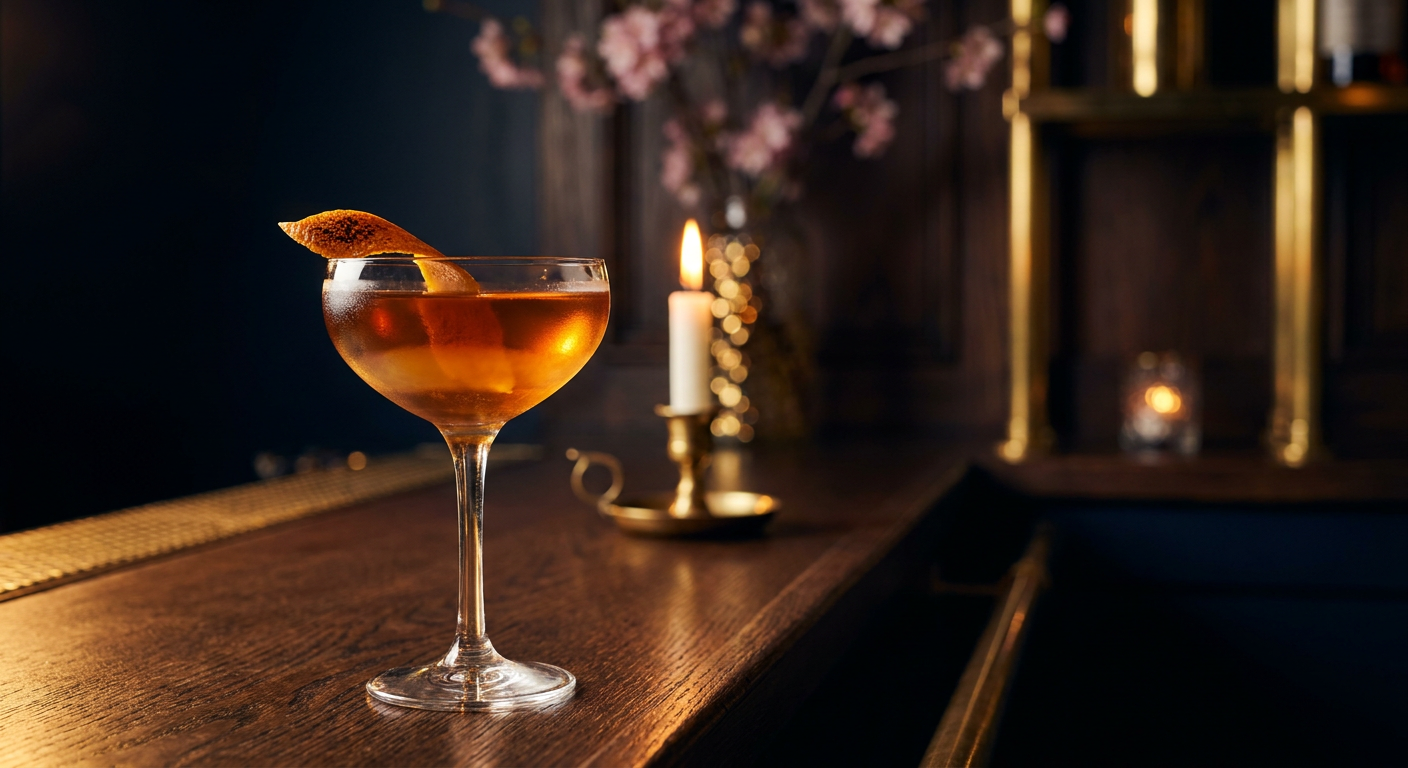
The question of premium spirits vs budget spirits for cocktails sits at the heart of every bartender's dilemma. At Hammerman's, our team has spent years testing how much of your cocktail budget actually matters when you're mixing a drink. The short answer: it depends entirely on what you're making. Some cocktails sing with a £15 bottle of gin. Others demand the complexity that only premium spirits deliver.
Premium Spirits vs Budget Spirits for Cocktails: What's the Real Difference
The gap between a budget spirit and a premium one comes down to distillation, aging, and what remains in the bottle after fermentation. Budget spirits are often distilled once or twice using efficient processes. Premium spirits undergo multiple distillations, sometimes in copper pot stills, which removes more impurities and creates a smoother mouthfeel.
Aging plays a role too. An unaged tequila can be premium, like Don Julio Blanco, which uses traditional production methods and slower fermentation, creating complexity that survives dilution. A budget spirit might rely on additives to smooth rough edges, which can taste worse when mixed with other ingredients.

The real difference emerges in the flavor profile. Premium spirits tend to have more layers. You taste the botanicals in a good gin, the cooked agave in quality tequila, the vanilla and oak in aged rum. Budget spirits taste flatter, often dominated by one or two notes. When you're making a spirit-forward cocktail like a Martini, those layers matter. When you're making a Margarita with lime juice and triple sec, the distinction blurs considerably.
Distillation, Aging, and Flavour Profile
Distillation separates spirits from water and congeners, compounds that create flavor but also create hangovers. A single distillation captures most of the alcohol but leaves behind impurities. Premium spirits often undergo three or more distillations, which is why they feel smoother. Budget spirits typically stop at one or two.
Each pass through the still removes harsh compounds that make cheap spirits burn. But in a cocktail with multiple ingredients, that smoothness becomes less noticeable. The lime juice, the bitters, the vermouth, they mask subtle differences in the base spirit.
Aging introduces complexity. Spirits aged in oak develop vanilla, caramel, and spice notes. For mixing, a moderately aged spirit (3-5 years) often hits the sweet spot. You get enough development without overpowering the other ingredients. A spirit-forward drink like a Daiquiri made with young, cheap rum tastes thin. The same drink made with a 3-year-old aged rum tastes rounder and more complete.
The Role of Impurities and Smoothness
Impurities are the invisible factor that separates a pleasant drink from an unpleasant one. During fermentation, yeast produces not just ethanol but also congeners, acetaldehyde, methanol, esters, and tannins. Distillation removes them. More distillations remove more of them.
Premium spirits have fewer impurities, which is why they feel smooth. Smoothness matters most when you're sipping neat. When you're mixing, it matters less because the other ingredients mask the burn. A rough spirit will still make your cocktail taste rough, even if you can't identify why.
Spirit Quality for Mixing Drinks: Does Complexity Matter in a Cocktail
Complexity matters in spirit-forward cocktails and barely matters in mixed drinks. A Martini is 95% gin and vermouth. A Margarita is 40% tequila, 30% lime juice, 20% triple sec, and 10% simple syrup. The spirit matters differently in each.
In a Martini, you taste the gin's botanicals, its smoothness, its finish. In a Margarita, the lime juice dominates. The tequila is a supporting player. The rule of thumb: if the spirit makes up more than 50% of the drink's volume, buy premium. If it's less than 50%, budget spirits work fine. A Daiquiri is about 60% rum, so premium rum matters. A Mojito is about 40% rum, so budget rum is acceptable.
Spirit-Forward Cocktails vs Mixed Drinks
Spirit-forward cocktails are the showcase for premium spirits. A Martini, a Negroni, a Sazerac, a Daiquiri, these drinks let the spirit shine. They have few ingredients and high spirit ratios. The spirit's flavor profile, smoothness, and complexity are all on display. Here, premium spirits justify their cost.
Mixed drinks mask spirit quality. The citrus, the sweetness, the bitters, the vermouth, these components dominate the flavor profile. A premium spirit adds refinement, but the drink is good either way. If you're making spirit-forward cocktails, invest in premium base spirits. If you're making mixed drinks, invest in premium mixers and fresh ingredients instead. A fresh lemon tastes better in a Margarita than a premium tequila does.
How Dilution Changes What You Taste
Dilution is the secret weapon that changes everything. When you stir a Martini with ice, the ice melts and adds water to the drink. That water reduces the spirit's alcohol content from 40% to about 25-30%. It also reduces the intensity of any harsh flavors. A rough spirit becomes less rough. A complex spirit becomes less complex.
This is why premium spirits shine in spirit-forward cocktails that are properly diluted. The dilution softens the spirit's edges while preserving its complexity. Proper dilution means understanding how much water should be in your drink. A Martini should be about 25-30% water by volume. A Daiquiri should be about 20-25% water. A Margarita should be about 15-20% water. These percentages come from the ice that melts during stirring or shaking.
Best Value Spirits for Cocktails UK: Mid-Range Options That Deliver
Mid-range spirits are where the real value lives. They cost 30-50% less than premium but deliver 80-90% of the quality. Gordon's London Dry Gin is excellent for cocktails. The juniper-forward profile mixes beautifully with vermouth, bitters, and citrus. Plymouth Gin sits in the mid-range sweet spot. The botanicals are more balanced, the mouthfeel is rounder, and the flavor profile is distinctive without being difficult.
For tequila, Olmeca Blanco delivers remarkable value. It's 100% agave, made with traditional production methods. For Margaritas and Palomas, Olmeca is the smarter choice than premium alternatives. For rum, look for 3-year-aged options that work across multiple cocktail styles.
Cocktail Ingredients Quality: When Mixers and Base Spirits Work Together
The mixer often matters more than the spirit. A premium gin mixed with cheap tonic water tastes worse than a mid-range gin mixed with premium tonic. The tonic is 60% of the drink. Its quality dominates the final taste.
Fresh ingredients matter even more. A Margarita made with budget tequila, fresh lime juice, and quality triple sec tastes better than one made with premium tequila, bottled lime juice, and cheap triple sec. The freshness of the lime juice is the dominant factor. Fresh citrus juice, squeezed minutes before serving, not bottled, changes the game. Quality vermouth in a Martini matters more than the gin's premium status. Good bitters in a Negroni matter as much as the spirits. The cocktail is a system. Every component affects the final taste.
The Masking Effect: Why Mixers Matter More Than You Think
When you add multiple ingredients to a spirit, the spirit's characteristics become less noticeable. A rough spirit tastes rough in a shot. It tastes fine in a cocktail with citrus, sweetness, and bitters. The citrus masks the roughness. The sweetness masks the harshness. The bitters provide complexity that compensates for the spirit's simplicity.
This is why bars can use budget spirits in mixed drinks without compromising quality. The mixer does the work. A budget rum in a Daiquiri with fresh lime juice and simple syrup tastes excellent. Understanding the masking effect changes how you build a home bar. For mixed drinks, buy budget spirits and premium mixers. For spirit-forward cocktails, buy premium spirits and adequate mixers.
Craft Ethics and Sustainability in Spirit Selection
Craft spirits and sustainable production are increasingly important to drinkers who care about where their money goes. Craft distilleries often use smaller batches, traditional methods, and local ingredients. The quality is usually exceptional. The price is usually higher.
Sustainability in spirits means local sourcing of ingredients, minimal waste in production, responsible water use, and fair labor practices. For cocktails, craft spirits make sense in spirit-forward drinks where you taste the production method. A craft gin made with local botanicals shines in a Martini. In a mixed drink, the craft elements become less noticeable.
How to Make Cheap Cocktails Taste Better: Technique Over Price
Technique beats price every time. A bartender with proper technique can make a great cocktail with budget spirits. An amateur with premium spirits will make a mediocre cocktail. The difference comes down to temperature, dilution, balance, and presentation.
Temperature is underrated. A properly chilled cocktail tastes smoother and more refined than a warm one. Chill your glassware. Use fresh, quality ice. Stir or shake long enough to properly chill the drink, usually 10-15 seconds of stirring or 10 seconds of shaking.
Balance is about proportions. A Martini is 6 parts gin to 1 part vermouth. A Daiquiri is 2 parts rum to 1 part lime juice to 0.5 parts simple syrup. These ratios exist because they work. They balance the spirit's strength with the other ingredients' flavors. Respect the ratios and the drink tastes good even with budget spirits.
Fresh Ingredients and Proper Dilution
Fresh ingredients are non-negotiable. Fresh lime juice from a lime you just cut tastes completely different from bottled lime juice. Fresh lemon juice is sharper, brighter, more alive. Fresh mint in a Mojito releases oils that bottled extracts can't replicate.
The combination of fresh ingredients and proper dilution transforms a budget spirit into a respectable cocktail. You're not tasting the spirit's roughness because the freshness of the citrus and the proper balance mask it. The drink tastes clean, bright, and balanced.
Temperature, Balance, and Presentation
Temperature matters throughout the process. Chill your spirits in the freezer if you're making a Martini. Chill your glassware before serving. Use ice that's as cold as possible. A properly chilled cocktail is a pleasure. A room-temperature cocktail is a mistake.
Balance is about the interplay between sweet, sour, bitter, and strong. A Margarita balances the tequila's strength with lime's sourness and triple sec's sweetness. If any element is off, the balance breaks. Presentation affects perception. A cocktail in a chilled coupe glass tastes better than the same cocktail in a room-temperature highball glass. A cocktail with a proper garnish, a citrus twist, a cherry, a sprig of mint, tastes better because the garnish adds aroma and visual appeal.
When to Splurge and When to Save: A Bartender's Framework
The decision to splurge or save depends on three factors: the cocktail's spirit ratio, whether you're sipping or mixing, and your budget. If you're making spirit-forward cocktails and you have the budget, buy premium. If you're making mixed drinks or your budget is tight, buy mid-range and invest in premium mixers and fresh ingredients.
For a home bar with limited budget, prioritize mid-range spirits that work across multiple cocktail styles. A good gin works in Martinis, Gimlets, and Gin & Tonics. A good tequila works in Margaritas, Palomas, and Daiquiris. A good rum works in Daiquiris, Mojitos, and Dark & Stormys.
Sipping Spirits vs Mixing Spirits
Sipping spirits are premium spirits meant to be enjoyed neat or with minimal dilution. They're complex, smooth, and interesting. A premium single-malt Scotch is a sipping spirit. A premium aged rum is a sipping spirit. These spirits are wasted in mixed cocktails.
Mixing spirits are designed to work with other ingredients. They don't need to be complex because the other ingredients provide complexity. They need to be clean, smooth, and balanced. A good blended Scotch is a mixing spirit. A good unaged tequila is a mixing spirit. Know what you're buying and what you're using it for.
Can You Really Taste the Difference: Blind Tasting and Premiumisation
Blind taste tests reveal something uncomfortable: people often can't tell the difference between premium and budget spirits when they don't know which is which. The label, the price, the packaging, these things shape perception. Remove them and the differences become less obvious.
This doesn't mean premium spirits aren't better. It means the difference is subtle and context-dependent. In a Martini, a skilled taster can identify premium gin. In a Margarita, most people can't. The mixer masks the difference.
What Blind Taste Tests Reveal
Blind taste tests consistently show that mid-range spirits often score as well as premium spirits in mixed cocktails. A taster can identify the difference between budget and mid-range. The difference between mid-range and premium is much harder to detect in a mixed drink.
In spirit-forward cocktails, the difference becomes more obvious. A Martini made with premium gin tastes noticeably different from one made with budget gin. The botanicals are clearer, the finish is smoother, the overall impression is more refined. The lesson is clear: buy based on how you'll use the spirit, not on blind taste test results.
Luxury Branding vs Actual Quality
Luxury branding in spirits is powerful. A bottle that costs significantly more feels more premium than one that costs less, even if the spirit inside is only marginally better. The packaging, the story, the heritage, these things justify the price in the buyer's mind.
Some luxury brands deliver genuine quality. Other luxury brands are primarily marketing. For cocktails, luxury branding is mostly irrelevant. You're not drinking the spirit neat, so the packaging and the story don't matter. The spirit's characteristics matter. A mid-range spirit with the right flavor profile for your cocktail will outperform a luxury spirit with the wrong profile. Ignore the branding and focus on the spirit's characteristics. Is it smooth or rough. Is it complex or simple. Does it work in the cocktails you make.
The premium spirits vs budget spirits for cocktails debate has a simple answer: it depends on the cocktail. Spirit-forward drinks deserve premium spirits. Mixed drinks work fine with mid-range spirits and premium mixers. At Hammerman's in Aberdeen's city centre, our bar team understands this balance. We use mid-range spirits in our mixed cocktails and premium spirits in our spirit-forward drinks. We invest in fresh ingredients and proper technique. The result is excellent cocktails at fair prices. If you want to experience this approach firsthand, visit hammermans.com to book a table and taste the difference technique and balance make.
Frequently Asked Questions
Can you really taste the difference between budget and premium spirits in cocktails?
Yes, but it depends on the drink. In spirit-forward cocktails like a Martini or Negroni, the base spirit's flavour profile matters significantly. In heavily mixed drinks with multiple ingredients and strong mixers, the difference becomes less noticeable. Blind tasting studies suggest that mouthfeel, smoothness, and complexity register more clearly in sipping scenarios than in mixed drinks where dilution and other ingredients mask subtler notes.
What makes a spirit 'premium' beyond the price point?
Premium spirits typically feature superior distillation techniques, longer ageing (for aged spirits), higher-quality source materials, and more careful production processes. These factors contribute to smoother mouthfeel, greater complexity, and fewer harsh impurities. However, premiumisation also includes luxury branding and packaging, which can inflate prices beyond the actual quality improvement in the liquid itself.
When should you use premium spirits versus budget spirits for cocktails?
Use premium spirits for spirit-forward cocktails where the base spirit's character shines through, Martinis, Daiquiris, and Negronis benefit from quality. For heavily mixed drinks with citrus, syrups, and multiple ingredients, budget-friendly options work well since mixers and dilution mask subtle flavour differences. Mid-range spirits often offer the best value for home cocktail making, balancing quality with cost.
What are some good value-for-money spirits for cocktails?
Gordon's London Dry Gin delivers classic juniper-forward character at an accessible price point, making it ideal for everyday Gin & Tonics and Tom Collins. Olmeca Blanco Tequila offers 100% agave quality with traditional production methods at a fraction of ultra-premium prices, perfect for balanced Margaritas. These mid-range options provide versatility and decent complexity without the premium markup, making them excellent for building a home bar.
How do ingredients and distillation affect spirit quality for cocktails?
Distillation removes impurities and concentrates flavour compounds, affecting smoothness and mouthfeel. Higher-quality source ingredients, like Plymouth Gin's seven botanicals or Don Julio's highland-grown agave, create more distinctive flavour profiles. Multiple distillations increase purity but can reduce character. For cocktails, the balance between purity (smoothness) and flavour complexity matters more than either alone. Better distillation also reduces unwanted congeners that contribute to harsh notes.
Keep reading
Related Articles
Read how Hammerman's creates its drinks in our guide to scratch-made cocktails in Aberdeen.
Ready to visit?
Book Your Table
Experience Hammerman's for yourself. Scottish small plates, handcrafted cocktails, and live music every weekend.
Book a Table