comparison
Shaking vs Stirring Cocktails: A Bartender's Guide
Last Updated: August 3, 2026
The difference between shaking and stirring cocktails determines everything from texture to clarity, dilution to temperature. At Hammerman's, our bar team has spent years perfecting when to reach for a shaker versus a mixing glass. What separates a silky Martini from a properly aerated Daiquiri comes down to understanding how agitation, ice, and dilution work together.
The Core Difference Between Shaking and Stirring Cocktails
Shaking creates rapid agitation, introducing air into the drink and generating more dilution through faster ice contact. Stirring is slower, more deliberate work that chills and dilutes gently while maintaining clarity and silky mouthfeel.

When you shake a cocktail, you're aerating it, creating tiny bubbles that change texture. When you stir, you're controlling dilution precisely, letting the spirit shine without cloudiness. Temperature equilibrium happens faster with shaking because of kinetic energy. Stirring takes longer but delivers a colder final result if done properly, because slower pace allows more thermal exchange between ice and liquid. This is why spirit-forward drinks, Martinis, Negronis, Manhattans, demand stirring. You want maximum chilling with minimum disruption to the spirit's character.
How Agitation Affects Dilution and Temperature
Agitation is the engine of dilution. Every time ice touches liquid, water transfers from the ice to the drink. In 15 seconds of vigorous shaking, you're introducing roughly 0.75ml of water per cocktail. Stirring for 30 seconds achieves similar dilution, but more gradually.
Dilution isn't a flaw, it's essential. Pure spirits are too intense to drink. Dilution softens them, opens up flavour, and creates the mouthfeel people expect. The sweet spot is roughly 20-30% dilution by volume, enough water to soften the spirit but not so much that flavour disappears.
A properly chilled cocktail should sit around -8°C when it hits the glass. Shaking gets you there in seconds. Stirring requires patience, usually 30-45 seconds of continuous motion, but delivers a colder drink because longer contact time with ice creates more thermal exchange.
The Role of Ice in Both Methods
Ice is the invisible ingredient in every cocktail. It chills, dilutes, and aerates when shaking. Larger ice cubes, roughly 2.5cm across, are ideal for stirring. They melt slowly, giving precise control over dilution. For shaking, you want ice that can withstand impact without shattering.
Clear ice, made by freezing water slowly, is denser and lasts longer than cloudy ice containing air pockets. This subtle detail is why high-end bars taste different from casual ones. They're not just using better spirits, they're using better ice.
When to Shake a Cocktail: Citrus, Cream, and Aeration
Shake any cocktail that contains citrus juice, cream, eggs, or other thick ingredients. Shaking aerates the drink and incorporates ingredients that don't naturally mix.
Citrus-based drinks like Daiquiris, Sours, and Margaritas need shaking. The citrus juice is acidic and slightly viscous. Shaking aerates it, creating a frothy top layer and silky mouthfeel. Without aeration, a Daiquiri tastes thin and sharp. With proper shaking, it becomes rounded and complex.
Egg whites demand vigorous shaking. The agitation denatures the protein, creating a stable foam that sits on top of the drink. A Whiskey Sour made with egg white is transcendent compared to one made without.
Cream-based cocktails also need shaking. The cream is thick and doesn't naturally incorporate with spirits. Shaking emulsifies it, creating a smooth, integrated drink.
Citrus-Based Drinks and Emulsification
Citrus juice changes how a cocktail behaves. Lime, lemon, and other citrus are acidic and slightly oily. When you shake them with spirits, emulsification occurs. The agitation breaks down the oil molecules in the citrus, distributing them evenly throughout the drink rather than letting them separate.
A shaken Margarita looks cloudy and frothy at the top while a stirred Martini looks clear. The cloudiness isn't a flaw, it's the result of proper emulsification. A properly made Daiquiri, 2 oz white rum, 0.75 oz lime juice, 0.5 oz simple syrup, shaken hard for 10-12 seconds, creates a drink with silky texture and balanced flavour.
Egg White and Texture Creation
Egg white cocktails are the most dramatic example of what shaking does. When you shake an egg white violently, mechanical agitation denatures the protein, allowing it to trap air bubbles. The result is stable, silky foam that sits on top of the drink.
This foam adds body and mouthfeel to the entire drink. It softens the alcohol burn and creates luxurious texture that you simply can't achieve by stirring. The technique requires a "dry shake" first, shaking the egg white with other ingredients but without ice for about 10 seconds. Then you add ice and shake again for another 10-12 seconds.
When to Stir a Cocktail: Spirit-Forward Drinks
Stir any cocktail that's mostly spirits with minimal other ingredients. A Martini, Negroni, Manhattan, or Sazerac are all stirred. Shaking would introduce aeration and cloudiness that would distract from the spirit's flavour. Stirring chills the drink, dilutes it slightly to soften the alcohol, and maintains crystal clarity.
Spirit-forward drinks are about showcasing the spirit itself. The viscosity of a properly stirred spirit-forward cocktail is noticeably silky. This comes from controlled dilution. Too little dilution and the drink tastes hot and thin. Too much and it tastes flat. Stirring gives you the precision to hit that sweet spot consistently.
Clarity, Viscosity, and Mouthfeel
Clarity matters in spirit-forward cocktails. A cloudy Martini signals poor technique. A crystal-clear Martini signals control and respect for the drink. Stirring maintains clarity because there's no aeration, no introduction of tiny air bubbles that would scatter light.
Viscosity is the drink's thickness on the palate. A properly stirred Negroni feels silky and substantial. Mouthfeel is the overall sensation of the drink in your mouth. A stirred cocktail should feel smooth, integrated, and substantial. The flavours should be balanced, not sharp or thin.
Cocktail Mixing Techniques: Tools and Temperature Control
A Boston shaker, the two-piece stainless steel and glass combination, is the standard for shaking. A mixing glass is essential for stirring. The Yarai mixing glass, with its distinctive pattern and thick walls, is designed specifically for this purpose, maintaining temperature during the stirring process.

A bar spoon is non-negotiable for stirring. The twisted stem allows smooth rotation around the mixing glass without splashing. A Hawthorne strainer, with the spring coil, fits over a shaker or mixing glass to hold back ice and solids while pouring.
Temperature control is about understanding how long each technique takes. Shaking achieves temperature equilibrium in 10-15 seconds. Stirring is slower, usually 30-45 seconds, but delivers a colder final result because longer contact time with ice creates more thermal exchange.
Shakers, Mixing Glasses, and Strainers
A Boston shaker is two pieces: a larger stainless steel tin and a smaller mixing glass. You fill the mixing glass with ingredients and ice, place the tin over it, and seal it by tapping the base. The mixing glass should be thick-walled, ideally hand-blown glass, to withstand temperature shock.
For straining, a Hawthorne strainer is the standard. It has a spring coil that sits inside the shaker or mixing glass, and two stabilising prongs that rest on the rim. As you pour, the spring holds back ice and solids.
Chilling and Thermal Exchange
When warm liquid touches cold ice, heat transfers from the liquid to the ice, melting it slightly and cooling the liquid. The longer the contact, the more thermal exchange occurs.
Shaking accelerates this because agitation increases the surface area between liquid and ice. Stirring is slower but more thorough. The bar spoon's rotation brings fresh liquid into contact with the ice continuously, allowing gradual, complete chilling. The goal is to chill the drink to around -8°C without over-diluting it. This usually takes 10-15 seconds of shaking or 30-45 seconds of stirring.
The Dry Shake Technique: When and How to Use It
The dry shake is a two-stage shaking process used specifically for drinks containing egg white or cream. The first shake has no ice, just ingredients. The second shake adds ice.
Egg white needs mechanical agitation to denature and create foam, but ice interferes with this process. By shaking without ice first, you give the egg white time to break down and trap air. Then, adding ice in the second shake chills the drink without destroying the foam you just created. The process takes about 20 seconds total.
Common Mistakes: Why Your Shaken and Stirred Cocktails Fail
The most common mistake is under-shaking. Many home bartenders shake for only 5-8 seconds, thinking they'll over-dilute the drink. The opposite happens, insufficient shaking leaves the drink warm and under-chilled. Proper shaking takes 10-15 seconds of vigorous motion.
Over-stirring is less common but equally problematic. Stirring for over a minute introduces too much dilution and the drink becomes watery. The sweet spot is usually 30-45 seconds. Using bad ice is invisible but devastating. Small, hollow ice creates too much surface area and melts too fast, over-diluting the drink. Invest in larger, denser ice cubes.
Pouring too early is another trap. Many bartenders strain a drink before it's properly chilled. Wait until the mixing glass or shaker is so cold you can barely hold it.
Ice Quality and Density Impact
Ice quality determines consistency. Clear, dense ice made from slowly frozen water is denser than cloudy ice made in a standard freezer. Dense ice melts slower, giving you better control over dilution. A cocktail made with quality ice tastes balanced and integrated. The same cocktail made with standard freezer ice tastes watery and thin.
Size matters too. Ice cubes around 2.5cm are ideal for stirring. They're large enough to melt slowly and maintain contact with the liquid.
Over-Dilution and Under-Chilling
Over-dilution happens when ice melts too fast, introducing too much water into the drink. This makes the cocktail taste thin and weak. The culprit is usually small ice or prolonged contact with ice at room temperature.
Under-chilling happens when you don't give the drink enough time in contact with ice. The drink ends up warm and tastes sharp and thin. The balance is everything. You want enough dilution to soften the spirit and create silky mouthfeel, but not so much that flavour disappears.
Glassware Pairing: Matching Your Technique to the Glass
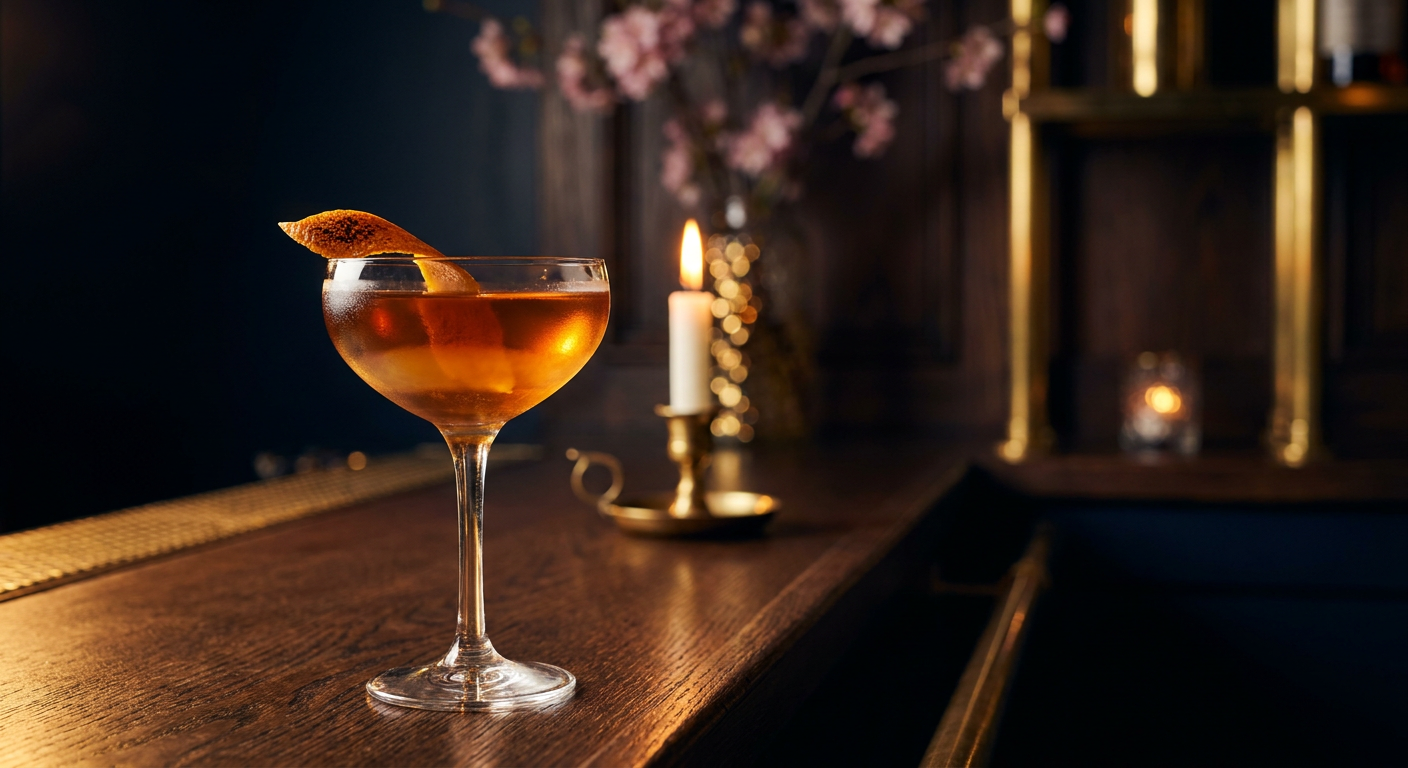
The glass you serve a cocktail in affects how it tastes and feels. A coupe glass is traditional for shaken drinks like Daiquiris and Sours. The wide surface area showcases the foam and aeration. A Nick and Nora glass works for spirit-forward drinks, keeping the drink cool longer because of the smaller surface area.
A rocks glass is for stirred drinks served over ice, Negronis, Manhattans, Old Fashioneds. The ice in the glass continues to chill the drink as you sip. A chilled glass keeps a cocktail cold longer, especially important for shaken drinks.
Master the Difference at Hammerman's
The difference between shaking and stirring cocktails isn't just technique, it's respect for the drink itself. Shaking aerates and emulsifies, creating texture and incorporating thick ingredients. Stirring chills and dilutes with precision, showcasing the spirit's character. Both are essential skills, and knowing which one to use transforms your cocktails from acceptable to exceptional.
At Hammerman's on Golden Square in Aberdeen's city centre, our bar team uses both techniques precisely, understanding that a Daiquiri demands vigorous shaking while a Martini requires patient stirring. Experience how proper cocktail technique tastes when it's executed by people who've spent years perfecting it. Head to hammermans.com to book a table.
Frequently Asked Questions
Is it better to shake or stir a cocktail?
Neither is universally better, it depends on the drink. Shake cocktails with citrus, cream, egg white, or other ingredients that benefit from aeration and emulsification. Stir spirit-forward drinks like martinis and Manhattans to preserve clarity and silky mouthfeel. The difference between shaking and stirring cocktails lies in how each technique affects dilution, temperature, and texture. Choose based on your drink's core ingredients, not personal preference.
Why should you shake cocktails with citrus instead of stirring?
Citrus-based drinks need vigorous agitation to fully incorporate acidic juices and create proper emulsification with spirits and syrups. Shaking with ice aerates the mixture, producing a frothy, silky texture and ensuring even flavour distribution. Stirring alone won't achieve the same aeration or emulsification. The kinetic energy from shaking also chills the drink more rapidly through greater surface area contact with ice, delivering the crisp, balanced finish citrus cocktails demand.
What happens to a cocktail when you shake it instead of stir it?
Shaking introduces aeration, creating tiny air bubbles that produce a frothy top layer and alter mouthfeel. It dilutes the drink faster through greater ice agitation and thermal exchange, which can be desirable or problematic depending on the cocktail. The increased surface area contact with ice lowers temperature more aggressively. For spirit-forward drinks, this over-dilution and cloudiness from ice fracturing is unwanted. For citrus and cream cocktails, it's essential to achieving the intended texture and balance.
What cocktail mixing techniques produce the clearest drinks?
Stirring in a mixing glass with a bar spoon over large, slow-melting ice produces the clearest drinks. This method minimizes ice fracturing, preventing cloudiness and controlling dilution precisely. Use a Yarai mixing glass or similar heavy-walled vessel for superior temperature retention. Stir for 30-40 seconds, allowing the drink to chill and dilute evenly without agitation. Strain through a Hawthorne strainer to catch any small ice fragments. This cocktail mixing technique works best for Martinis, Negronis, and other spirit-forward drinks where clarity and viscosity matter.
Why do bartenders use the dry shake technique?
The dry shake, shaking without ice first, then adding ice and shaking again, is used for drinks with egg white or aquafats. The first shake (without ice) creates emulsification and froth by introducing kinetic energy alone. Adding ice and shaking a second time then chills and dilutes the drink properly. This two-stage approach gives you better control over aeration and texture, producing a silky, stable foam layer that wouldn't form if you shook with ice from the start.
| Technique | Best For | Shaking Time | Stirring Time | Final Result |
|---|---|---|---|---|
| Shaking | Citrus, cream, eggs | 10-15 seconds | , | Aerated, frothy, silky |
| Stirring | Spirit-forward drinks | , | 30-45 seconds | Clear, viscous, smooth |
| Dry Shake | Egg white cocktails | 10 sec (no ice) + 10-12 sec (with ice) | , | Stable foam + chilled base |
Keep reading
Related Articles
Read how Hammerman's creates its drinks in our guide to scratch-made cocktails in Aberdeen.
Ready to visit?
Book Your Table
Experience Hammerman's for yourself. Scottish small plates, handcrafted cocktails, and live music every weekend.
Book a Table