ultimate-guide
What Is Modern Scottish Cuisine: A Chef's Guide
Last Updated: June 21, 2026
Scottish food has undergone a genuine transformation over the past two decades. This guide breaks down how Scotland's culinary identity shifted from heavy, warming staples into something sharper, more seasonal, and increasingly celebrated on the world stage.
The short answer: modern Scottish cuisine is the marriage of Scotland's exceptional heritage ingredients with contemporary cooking techniques, sustainable sourcing, and a genuine respect for food provenance. It is not a rejection of tradition. It is tradition, understood more deeply.
What Is Modern Scottish Cuisine
Modern Scottish cuisine applies contemporary gastronomy to Scotland's natural larder, combining heritage ingredients like haggis, smoked salmon, and game meat with modernist techniques, seasonal produce, and farm-to-table sourcing principles.
This definition separates the movement from simple nostalgia. It is about understanding why traditional dishes worked, what made them satisfying and honest, and then asking what they could become in a professional kitchen with better tools and a clearer eye for flavour.
The Shift from Tradition to Contemporary
Traditional Scottish cooking was built around scarcity and climate. Scotch broth, stovies, neeps and tatties: these were dishes designed to feed people through hard winters, stretch cheap cuts, and waste nothing. That ethos sits perfectly alongside the modern slow food movement and contemporary ideas about sustainability.
Scottish chefs trained in France, Spain, and Scandinavia, then returned home with technique but without the desire to abandon their roots. According to VisitScotland's food and drink overview, Scotland's food and drink sector has grown significantly as a cultural export, with provenance and terroir becoming central to how the country presents itself internationally.
Heritage Ingredients Meet Modernist Technique
The real tension in modern Scottish cooking is productive. Heritage ingredients carry centuries of context: Scottish oats ground at the same mills, Arbroath smokies cured by the same families, shortbread made to recipes that predate most nation-states. Modernist technique asks what happens when you apply precision temperature control, fermentation, or contemporary plating to those ingredients.
The Evolution of Scottish Food Culture
Scotland's food culture did not arrive at contemporary gastronomy overnight. The path ran through several distinct phases, each one leaving something useful behind.
From Farmhouse Staples to Fine Dining
For most of the twentieth century, Scottish fine dining meant French cooking served in Scottish hotels. That started to change when chefs began treating the Scottish Highlands and coastal regions as a serious source of culinary identity rather than a backdrop.
Cullen skink, the smoked haddock and potato soup from the Moray Firth, is a useful example. For decades it was considered humble fare. Now it appears on tasting menus across Scotland, sometimes as a foam, sometimes as a consommé, sometimes barely changed at all because it was already close to perfect. The evolution was often simply a matter of confidence.
Sustainability and Terroir in the Modern Kitchen
Scottish terroir is one of the movement's strongest arguments. The combination of cold, clean water, specific soil conditions, and a short but intense growing season produces ingredients with genuine character. Sustainable seafood from Scottish coastal waters, game meat from Highland estates, and foraged elements all carry flavour that reflects where they came from.
The farm-to-fork supply chain in Scotland has shortened considerably over the past decade. Many of the best modern Scottish restaurants now work directly with artisan producers, specifying not just the ingredient but the farm, the variety, and the harvest date. As documented in Scotland Food & Drink's strategic overview, provenance and sustainability are now central pillars of how Scottish food is produced and marketed.
Key Ingredients That Define Modern Scottish Cooking
Scotland's natural larder is the foundation everything else is built on.

The Natural Larder and Seasonal Produce
Scottish seasonal produce follows a rhythm that forces discipline. Soft fruits arrive briefly and intensely in summer. Root vegetables carry the kitchen through autumn and winter. Wild garlic appears in spring and disappears fast. Cooking to that rhythm rather than against it is one of the defining habits of the modern Scottish kitchen.
Scottish oats appear far beyond porridge: as a crust for fish, a base for savoury crumbles, a textural element in desserts. Shortbread is being reconsidered by pastry chefs as a vehicle for interesting flavours. Even Irn Bru has found its way into cocktail menus and dessert glazes.
Game, Seafood, and Foraged Elements
Game meat sits at the heart of modern Scottish cooking. Venison, grouse, pheasant, and rabbit all respond well to both traditional slow-cooking and contemporary techniques like sous vide and quick searing. The key is sourcing: game from well-managed estates carries better flavour and a clearer ethical story.
Foraging has moved from niche activity to standard practice in serious Scottish kitchens. Sea purslane, wood sorrel, meadowsweet, and coastal samphire all appear regularly on modern menus. The discipline required to forage responsibly aligns naturally with the broader sustainability values driving the movement.
Modern Scottish Recipes and Contemporary Techniques
The most interesting modern Scottish recipes make you recognise something familiar while experiencing it differently.
Reimagining Haggis, Neeps and Tatties
Haggis, neeps and tatties is Scotland's most iconic combination, and it has been reimagined extensively in the modern canon. The base recipe, offal with oatmeal and spices, turnip, and potato, is already well-balanced. What changes in contemporary versions is proportion, texture, and presentation.
Common modern approaches include haggis bon bons with whisky cream sauce, haggis as a filling for pastry, and haggis pressed into terrines sliced at the table. The neeps and tatties often appear as separate elements: a swede puree, a crispy potato cake, a compressed turnip cube. Each change isolates what makes the original good and gives it more space to be appreciated.
Cullen Skink and Cranachan Reimagined
Cullen skink has been transformed into everything from a refined bisque to a velouté served with a quenelle of smoked haddock mousse. The key element, the smokiness of the fish against the starchy, creamy base, survives every interpretation.
Cranachan follows similar logic. The combination of whipped cream, whisky, honey, toasted oats, and raspberries is essentially already a deconstructed dessert. Modern versions sometimes serve the components separately, sometimes layer them in unexpected ways, sometimes replace the raspberries with other Scottish soft fruits. The dish is patient with experimentation because its core flavour relationships are strong.
The Role of Seafood and Game in Modern Scottish Cuisine
Seafood and game are not supporting characters in modern Scottish cuisine. They are the lead.

Sustainable Sourcing and Coastal Traditions
Scotland's coastline produces some of the finest seafood in Europe. Langoustines from the west coast, hand-dived scallops from island waters, wild salmon, and mussels from clean sea lochs all carry the character of their environment. Sustainable seafood sourcing is a practical necessity for maintaining the quality that makes the cuisine distinctive.
Coastal cuisine in Scotland has its own regional identity. The fishing communities of the northeast developed their own traditions around the catch available to them. Smoked salmon, haddock, and herring all feature heavily, and the smoking and curing techniques developed there are now being studied and adapted by chefs across the country.
Well-sourced venison is lower in fat than most farmed meats and carries a depth of flavour that suits both classical French preparation and contemporary minimalist plating. Direct relationships between chefs and Highland estates have become important to the modern scene.
Best Modern Scottish Restaurants Defining the Scene
The best modern Scottish restaurants share a few characteristics: direct relationships with producers, menus that change with the season, and a willingness to let Scottish ingredients lead rather than following international trends.
Chef-Led Innovation Across Scotland
Scotland's restaurant scene has been shaped by chefs who treat their local landscape as a genuine creative resource. The pattern tends to be chefs who trained elsewhere, developed technical confidence, and then returned to apply that confidence to Scottish ingredients.
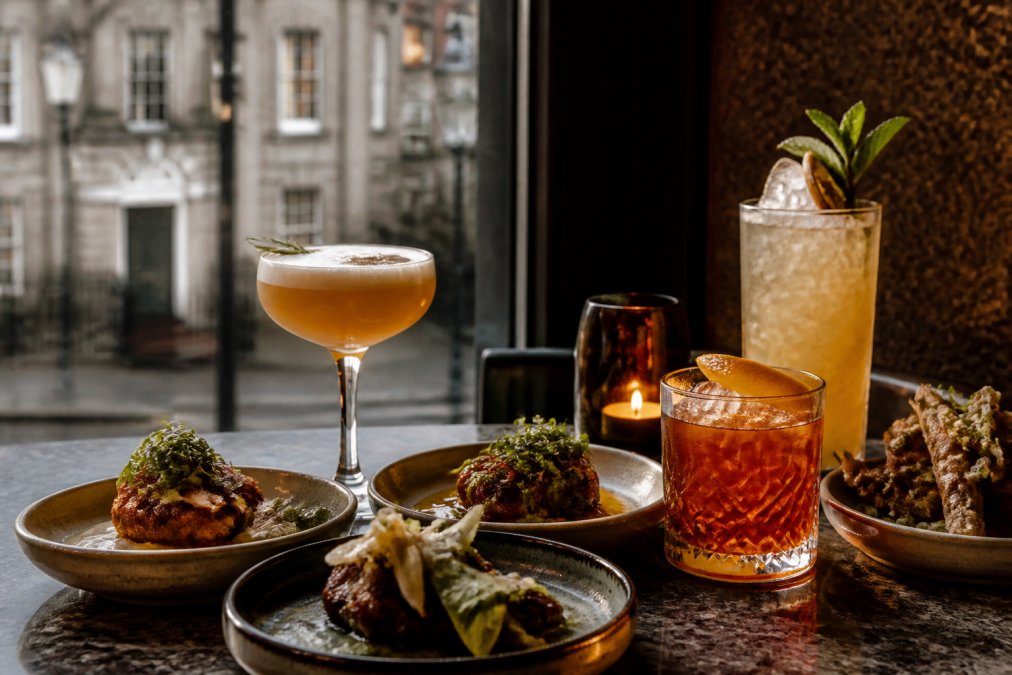
The small plates format has been particularly well-suited to modern Scottish cooking. It allows a kitchen to show the range of the larder, to pair unexpected combinations, and to let diners build their own experience across several courses. This format rewards confident, seasonal sourcing over predictable, year-round menus.
Small Plates and Artisan Producers
The relationship between small plates restaurants and artisan producers has been one of the defining dynamics of the modern Scottish food scene. A kitchen buying directly from a single farm or fishing boat can respond to what is genuinely available that week rather than ordering from a central supplier's fixed list.
A Scottish Small Plates Restaurant Aberdeen operates within this tradition. The kitchen works with Scottish small plates built around local produce, changing with the season and shaped by what the region actually offers.
Modern Scottish Cuisine Beyond Whisky Pairings
The assumption that Scottish food pairs with whisky and nothing else has been one of the more limiting ideas in the country's culinary history. The modern scene has done much to correct it.
Craft Beverages and Contemporary Cocktails
Scotland's craft brewing and distilling scene has expanded far beyond single malt Scotch. Small-batch gins using foraged botanicals, craft ales brewed with Scottish barley and local water, and non-alcoholic fermented drinks made from Scottish fruits all now sit alongside food in ways that whisky cannot manage for every course.
Contemporary cocktail bars in Scotland use Scottish spirits as a base for drinks that reflect the same seasonal, ingredient-led approach as the kitchens they sit alongside. A cocktail made with Scottish gin, elderflower, and sea buckthorn berry shares its terroir with the food on the table. According to Drinks International's overview of Scottish craft spirits, the Scottish craft spirits sector has grown substantially, with producers increasingly positioning their products as food-pairing options. A [Cocktail Bar Aberdeen](https://hammermans.com/cocktail-bar-aberdeen) approaches this directly, with drinks made from scratch by a bar team that treats the glass with the same seriousness the kitchen brings to the plate.
Experience Modern Scottish Cuisine in Aberdeen
Aberdeen sits at the heart of the northeast's food culture, with direct access to some of Scotland's finest coastal seafood, game from nearby estates, and a growing network of local producers. The city's food scene has matured considerably, and what is modern Scottish cuisine finds one of its more honest expressions here.
Hammerman's brings the small plates format to a historic granite building on Golden Square, Aberdeen, AB10 1RD, with a kitchen focused on Scottish produce and a cocktail bar built around drinks made properly from scratch. Live music runs every Friday and Saturday, and Private Hire Aberdeen is available for groups and celebrations. Book a table at hammermans.com and see what the modern Scottish larder actually tastes like.
Frequently Asked Questions
What defines modern Scottish cuisine and how does it differ from traditional Scottish food?
Modern Scottish cuisine respects heritage ingredients like haggis, smoked salmon, and game but reimagines them through contemporary techniques and plating. While traditional Scottish food emphasizes hearty stews and comfort, modern interpretations focus on seasonal produce, sustainable sourcing, and artisan producers. The key difference is technique and presentation rather than abandoning tradition entirely. Chefs honour Scotland's natural larder while embracing modernist methods and farm-to-table principles.
What are the key ingredients in modern Scottish recipes?
Modern Scottish recipes draw from Scotland's natural larder: sustainable seafood like smoked salmon and langoustines, game meats such as venison and grouse, heritage vegetables including neeps and tatties, Scottish oats, and foraged elements. Seasonal produce, artisan dairy, and locally-sourced ingredients form the foundation. Contemporary chefs also incorporate craft beverages beyond whisky, from locally-brewed ales to gin. These ingredients reflect both terroir and Scotland's commitment to food provenance and slow food principles.
Is modern Scottish cuisine just fusion food?
No. Modern Scottish cuisine is not fusion; it's an evolution rooted in Scotland's culinary heritage. Rather than blending unrelated cuisines, contemporary Scottish chefs apply refined techniques to traditional ingredients and dishes. Cullen skink, cranachan, and stovies are reimagined with precision plating and modernist methods, not foreign influences. The movement celebrates Scottish terroir and regional specialties while respecting the slow food ethos. It's about honouring tradition through innovation, not abandoning it.
What role does sustainability play in modern Scottish food?
Sustainability is central to modern Scottish cuisine. Chefs prioritise farm-to-table sourcing, working directly with local artisan producers and foragers. Sustainable seafood practices protect Scotland's coastal cuisine, while game sourcing respects wildlife management. The farm-to-fork supply chain emphasises food provenance and reducing environmental impact. This approach connects diners to the land and producers, reinforcing the slow food movement. Modern Scottish restaurants increasingly highlight their sourcing practices, making sustainability both an ethical and culinary statement.
Keep reading
Related Articles
Ready to visit?
Book Your Table
Experience Hammerman's for yourself. Scottish small plates, handcrafted cocktails, and live music every weekend.
Book a Table