how-to
How to Order Small Plates: A Practical Guide
Last Updated: June 27, 2026
Understanding how to order small plates transforms a meal from confusing to genuinely enjoyable. Small plates dining has become central to how restaurants operate in Aberdeen and beyond, yet many diners still approach their first visit without a clear strategy. This guide breaks down the practical rules, common mistakes, and insider tips that separate a satisfying evening from one where you're either still hungry or drowning in unwanted dishes.
Understanding Small Plates: What You're Actually Ordering
Small plates dining is built on sharing and variety rather than individual entrees. Each dish arrives in smaller portions, designed to be tasted and passed around the table, allowing diners to sample multiple flavors in a single meal. Instead of committing to one protein and vegetable, you might taste five different preparations across the evening.
Small plates borrow from tapas in Spain, meze from the Mediterranean, and dim sum from China. The shared experience transforms a meal into something more social and exploratory. The key distinction from appetizers: appetizers precede a main course, while small plates are the entire meal. A collection of five small dishes where you eat your fill is small plates dining; a plate of calamari before your steak is an appetizer.
How Many Small Plates Per Person Should You Order
A common starting point is three to four dishes per person, though this shifts based on appetite, occasion, and how long you plan to linger.
The maths behind portion planning
Most restaurants design small plates to deliver roughly 200-300 calories per dish. A typical person eating to satisfaction needs around 600-900 calories in a meal, suggesting two to three dishes minimum, four to five if genuinely hungry or planning to spend two hours.
However, this assumes every dish is equally filling. A plate of braised meat satisfies differently than a vegetable-forward dish. Reading menu descriptions helps identify which dishes anchor a meal and which complement it.
The sharing dynamic changes the calculation entirely. A table of four ordering twelve dishes (three per person) creates abundance. A table of four ordering eight dishes (two per person) forces real choices. Most experienced diners land between these extremes.

Adjusting for appetite and occasion
A business lunch calls for restraint: two substantial dishes plus one lighter option, eaten in thirty minutes. A Saturday evening with friends suggests going wider: four or five dishes, eaten slowly over two hours. Time of day matters too, lunch diners typically want fewer, quicker dishes, while evening diners expect to spend time.
Your table composition shifts strategy as well. A couple might order three dishes and share completely. A group of six might order twelve. Solo diners at the bar often order two dishes and eat sequentially.
Small Plates Dining Etiquette: The Unwritten Rules
Small plates dining has its own social code, different from traditional restaurant behavior.
Sharing with your table
The fundamental rule: everything on the table belongs to everyone unless someone explicitly claims a dish. This means reaching across the table when you want something, taking a portion and leaving enough for others, and not hoarding the best dish.
The server's role shifts too. They're delivering shared resources, not individual meals. Good service means checking in frequently, clearing empty plates quickly, and understanding that the meal's rhythm depends on timing dishes correctly.
Ordering flow and timing
The experienced diner doesn't order everything at once. They order a first round of two to three dishes, let those arrive and get eaten, then order the next wave. This prevents overwhelming the table and ensures hot dishes stay hot.
A typical evening flows from something light and bright to richer, more substantial dishes, finishing with something that cleanses or satisfies. A five-minute gap between dishes works well; a twenty-minute gap kills momentum.
Navigating Small Plates Menu Examples and Strategies
Learning to read menu structure makes ordering feel less daunting.
Reading the menu structure
Most menus organize dishes by ingredient or cooking method rather than by course. A smarter approach: scan the entire menu and identify which dishes feel substantial and which feel light. Identify which ones you're genuinely curious about versus which ones are filler. A menu that lists ingredients usually means the restaurant trusts ingredient quality. A menu that emphasizes technique usually means preparation matters more than raw material.
Working with server recommendations
A good server has eaten the food and knows which dishes work together. They understand which ones are filling, which ones are best eaten early, which ones pair with specific drinks. Ask them directly: "What's the best way to order here?" However, trust your own preferences over suggestions. The best meal is the one you actually want to eat.
How to Pace a Small Plates Meal for Maximum Enjoyment
Pacing separates a rushed meal from an experience.
Timing between courses
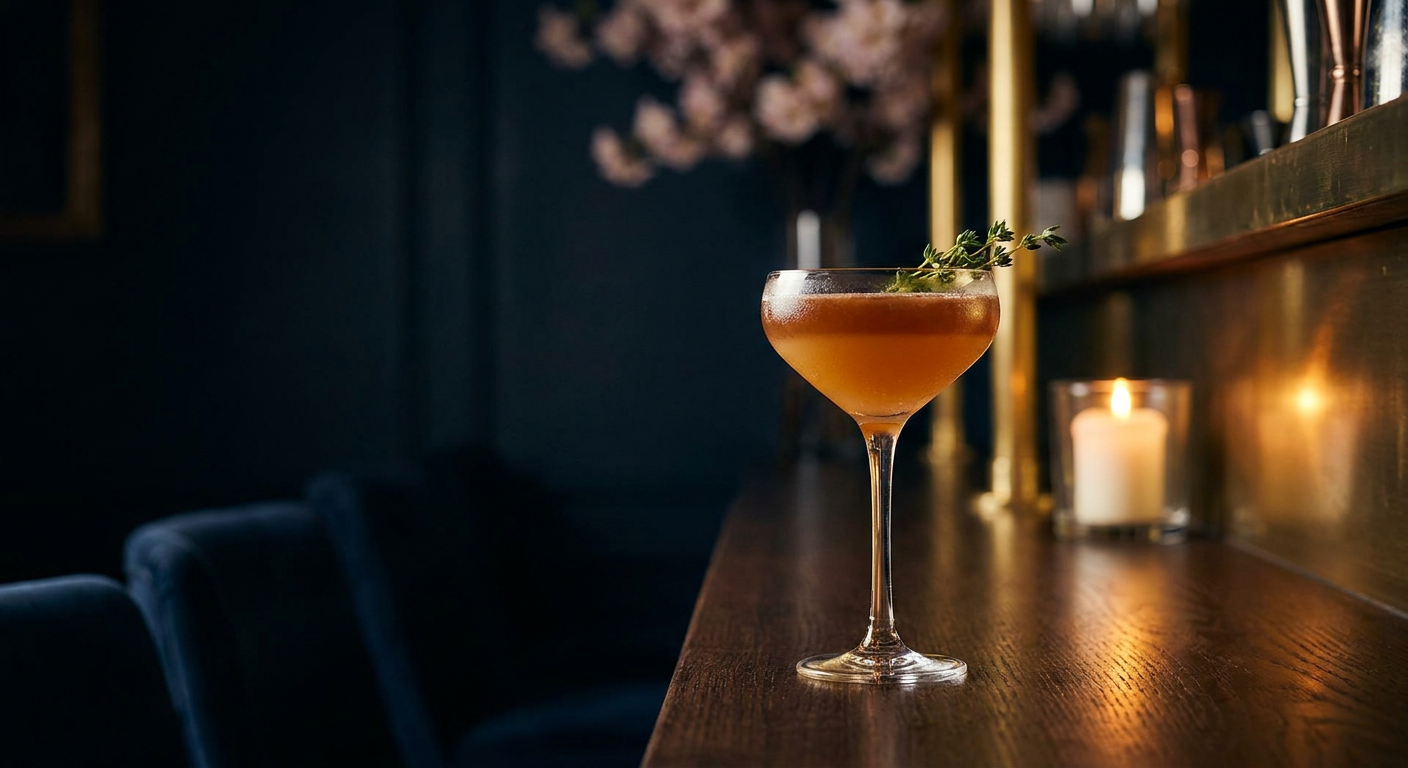
The ideal gap between dishes is five to ten minutes. This gives you time to finish what you're eating, talk to your table, and arrive at the next course with renewed appetite. Signal the server when you're ready for the next round. Drinks between courses slow things down in a good way, giving your stomach time to register fullness and your palate time to reset. If you're planning an evening out, consider pairing your small plates with cocktails at a [Cocktail Bar Aberdeen](https://hammermans.com/cocktail-bar-aberdeen) to enhance the experience.
Managing dietary restrictions and preferences
Small plates dining actually handles dietary restrictions better than traditional dining, because you're ordering multiple dishes rather than committing to one. Tell your server about restrictions upfront. They can steer you toward suitable dishes and flag potential problems.
Allergies require different handling. Write them down, mention them clearly, and ask the server to confirm with the kitchen. Small plates dining means multiple dishes, which multiplies the risk of cross-contamination.
Common Mistakes When Ordering Small Plates
The first mistake is ordering everything at once, arriving at a chaotic pile of dishes where some cool while others stay hot. The solution is ordering in waves.
The second mistake is ordering too much. Diners see an appealing menu and want to try everything, ending up throwing away half of it. Better to order fewer dishes and actually finish them.
The third mistake is ordering without reading descriptions, resulting in two similar dishes when you wanted variety, or something heavy when you wanted something light.
The fourth mistake is not asking for guidance. Servers know which dishes are worth ordering and which combinations work.
The fifth mistake is eating too fast. Small plates dining rewards slowness and tasting each dish.
Budgeting and Bill Splitting for Small Plates Dining
Small plates dining changes how you think about cost. Ordering fewer, more interesting dishes costs less than ordering more mediocre ones. A table that orders four exceptional dishes and eats them slowly spends less money and has a better time.
Bill splitting is straightforward if everyone ordered the same amount. The fairest approach: split the total evenly. Alternatively, each person pays for what they ordered, which requires keeping track during the meal.
How to Order Small Plates Like a Regular
Regulars approach small plates dining with confidence because they've done it enough times to develop instincts.
First, visit the same restaurant multiple times. You learn which dishes are worth ordering and how the kitchen handles requests. Second, develop a relationship with your server and let them suggest things. Third, order the same way each time to understand your own appetite and preferences. Fourth, try one new dish each visit to keep things interesting. Fifth, don't overthink it, confidence comes from repetition, not perfect knowledge.
Small plates dining rewards attention and intention. Once you understand the basic principles, order in waves, pace yourself, read the menu carefully, the rest becomes intuitive. Visit the Scottish Small Plates Restaurant Aberdeen to practice these approaches with dishes built from Scottish ingredients and prepared by a kitchen that understands both technique and hospitality. Book a table at hammermans.com and experience how small plates dining transforms a meal into something worth remembering.
Frequently Asked Questions
How many small plates per person should I order at a restaurant?
A practical rule is three to four small plates per person for a satisfying meal, though this varies by appetite and dish size. For a lighter meal or appetizer course, two plates per person works well. If you're unsure about portion sizes, ask your server for guidance on how filling each dish is. At restaurants like Hammerman's, where small plates are designed for sharing, ordering strategically with your group ensures everyone leaves satisfied without excessive waste.
What is the proper etiquette for sharing small plates with others?
Small plates dining etiquette centers on communal enjoyment and consideration. Serve yourself from shared plates using clean utensils, avoid double-dipping, and ensure everyone at the table gets a fair portion before taking seconds. If ordering for a group, discuss dietary restrictions upfront and coordinate orders so there's variety. Let others try dishes before you take large portions, and pace your eating so the table finishes courses together rather than leaving some people waiting.
How do I pace a small plates meal so it doesn't feel rushed?
Pacing a small plates meal means ordering in waves rather than all at once. Start with two to three dishes, enjoy them fully, then order the next round once those are mostly finished. This rhythm prevents the table from feeling overwhelmed and allows the kitchen to space out service naturally. Allow 10-15 minutes between courses for conversation and digestion. Communicate with your server about your preferred pace so they can time the kitchen accordingly, creating a more relaxed dining experience.
What should I do if someone at my table has dietary restrictions when ordering small plates?
Discuss all dietary restrictions and allergies with your server before ordering. Most restaurants, including small plates establishments, can accommodate vegetarian, vegan, gluten-free, or allergy-related needs. Order a mix of plates that cater to different requirements so everyone has options. If the menu lacks suitable choices, ask your server about off-menu alternatives or modifications. This approach ensures inclusive dining and prevents awkward moments where some guests have limited options while others enjoy the full experience.
Keep reading
Related Articles

Ready to visit?
Book Your Table
Experience Hammerman's for yourself. Scottish small plates, handcrafted cocktails, and live music every weekend.
Book a Table