how-to
How to Plan a Group Dinner in Aberdeen
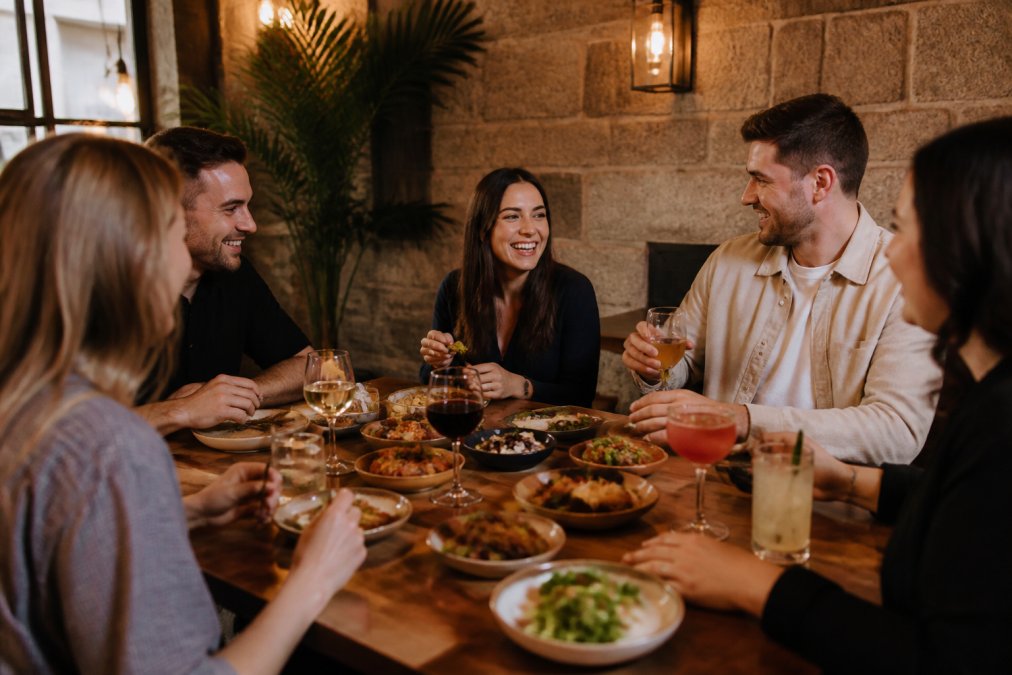
Planning a group dinner should be straightforward. Pick a restaurant, book a table, show up. In reality, coordinating ten or more people around food, drinks, timing, and dietary needs is where most plans fall apart. The difference between a meal that flows and one that becomes a logistical nightmare often comes down to preparation.
This guide walks you through how to plan a group dinner in Aberdeen, from choosing the right venue to managing the practical details that keep everyone happy. The steps below will help you avoid common pitfalls and land on a restaurant that actually works.
Choose the Right Venue for Your Party Size
The first decision shapes everything else. A venue that handles ten people brilliantly might struggle with thirty, and a cavernous function room designed for corporate events can feel hollow with a small group of eight.
Start by counting heads honestly. Include anyone who's said yes, plus a realistic buffer for last-minute acceptances. Groups of 8-15 people fit comfortably into most restaurant spaces without requiring dedicated function rooms. Beyond that, you need a venue specifically set up for larger parties.

Think about the room itself. Tight, narrow spaces force conversation into single lanes, awkward for a group. You want a space where people can move between tables, where conversations can branch out, where someone doesn't have to shout across the entire party to be heard. Long tables work better than scattered small ones for group cohesion.
Hammerman's works well for groups in its main dining space. The small plates format suits group dining, encouraging sharing, slower pacing, and the kind of back-and-forth ordering that keeps energy high without rushing anyone through the meal. For larger private gatherings, the venue offers private hire options that give you control over the room layout and flow.
Temperature matters more than you'd think. A cold room makes people uncomfortable within an hour; a warm one can feel stuffy. Ask the venue directly about heating and ventilation, especially for evening bookings.
Private Hire Venues and Exclusive Event Spaces
Private hire is really a logistics tool. The question isn't whether it's fancy, it's whether it solves a specific problem for your group.
Private hire makes sense in three scenarios. First, your group is large enough that you need guaranteed seating and can't be split across multiple tables in the main dining room. Second, your event has a defined start and end time that matters, a team celebration that needs to wrap by 9 pm, or a birthday where you want to control the music and energy. Third, your group includes people who need a quieter, more controlled environment.
If none of those apply, standard group booking in the main dining space often works better. You get the restaurant's full energy, other diners create natural social atmosphere, and you're not paying for space you don't need.
When you do decide private hire is right, the conversation with the venue changes. You're no longer asking "Can you fit us in?" You're asking: What's included in the room hire? Is there a minimum food spend or per-person catering cost? What happens if your final headcount drops? Can you bring your own music or does the venue provide a sound system? Are table linens, glassware, and cutlery included? Is there a service charge, and is it mandatory or discretionary? What time can you access the space for setup, and what's the latest you can stay?
These questions matter because they determine whether private hire is actually cheaper than booking the main room. A venue that charges a flat fee plus per-person food is very different from one that charges all-in. The math changes your decision.
Booking windows for private hire are tighter than standard reservations. Popular venues fill their private spaces 8-12 weeks ahead for weekend slots. If your event is within four weeks, availability narrows sharply. Weekday private hire is usually easier to secure.
Confirm cancellation policy in writing. If your group shrinks significantly or your event gets postponed, what's your exposure. Reputable venues are clear about this upfront.
Managing Group Restaurant Bookings Step by Step
The booking itself deserves a structured approach. Winging it at this stage creates friction later.
Step 1: Confirm your final headcount. Set a deadline, ideally two weeks before the dinner, for people to confirm attendance. After that date, stop accepting maybes. A fluid headcount means the restaurant can't plan properly, and you can't plan seating or menu choices.
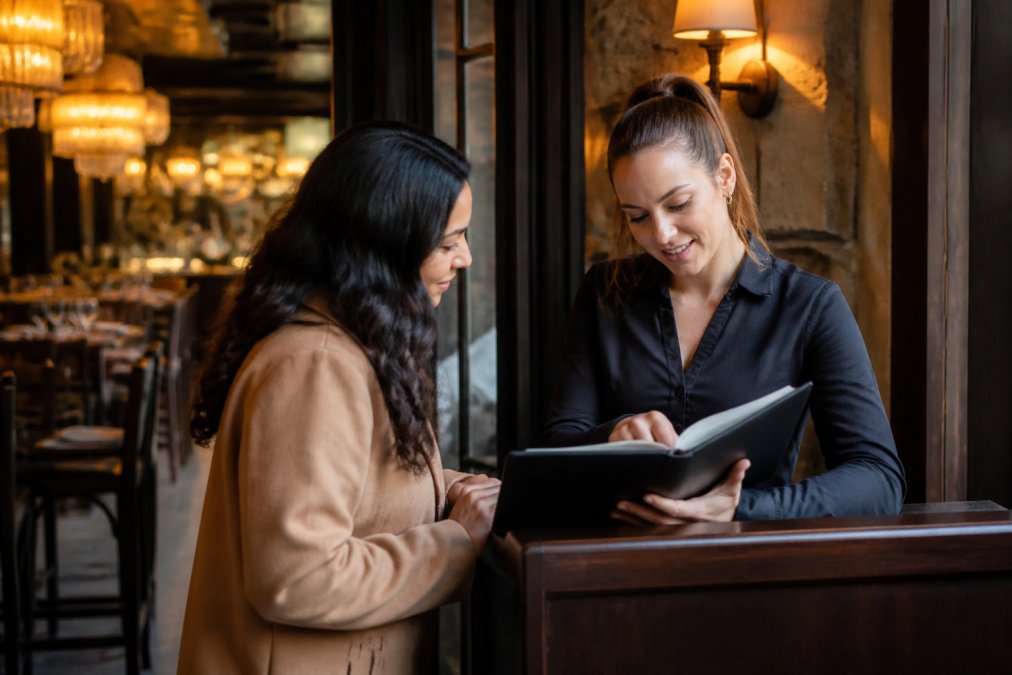
Step 2: Contact the venue directly. Don't rely on online booking systems for groups larger than 8-10 people. Call or email the restaurant manager. Explain your party size, your date preference, and any special requirements. A direct conversation lets you gauge whether they're genuinely comfortable with your group.
Step 3: Confirm the booking in writing. Get confirmation via email with the date, time, party size, and any special arrangements discussed. This protects both you and the restaurant.
Step 4: Send the group a confirmation. Once the booking is locked in, send everyone involved the date, time, and venue details. Include a note about any house rules and expected duration.
Step 5: Reconfirm one week before. Contact the restaurant again to confirm headcount and any last-minute changes. Confirm with your group simultaneously.
Step 6: Arrive early. Show up 10-15 minutes before your reservation. This gives the restaurant time to seat everyone, get water poured, and settle the room before the rush starts.
Handle Dietary Requirements and Menu Planning
Dietary requirements have shifted from exception to standard. Most groups now include vegetarians, vegans, people with allergies, those avoiding gluten, and others managing health conditions through food. The problem isn't identifying these requirements, it's coordinating them without creating chaos in the kitchen.
Start by collecting information early and specifically. Don't ask "Any dietary requirements?" Use a structured form: vegetarian, vegan, gluten-free, coeliac disease, nut allergy, shellfish allergy, dairy intolerance, religious dietary restrictions, or health-related avoidances. Make it clear that you need responses by a specific date, ideally two weeks before the dinner, so you have time to work with the restaurant.
Once you have the list, contact the restaurant and walk through it together. Ask directly: Can you accommodate all of these requirements? Are there any you can't do? Do you need advance notice for certain allergies? The small plates format works well here because you're not locked into a single dish per course; dietary variations are easier to manage, and the kitchen has flexibility to adjust.
For large groups with complex requirements, consider whether everyone orders individually or whether you pre-select a set menu. Set menus move faster, cost less, and simplify the kitchen's workflow. For groups over 20 with mixed dietary needs, a set menu with 2-3 options per course is usually the sweet spot.
Communicate the menu to your group in advance, ideally a week before the dinner. Send the actual menu, not just a description. This prevents the awkward moment at the table when someone realises they don't eat what's been ordered for them.
On the night itself, brief the server or manager about dietary requirements before the meal starts. A simple conversation ensures the kitchen is alert and the server knows to double-check plates before they leave the kitchen. This is especially important for allergies, where a mistake isn't just disappointing, it's a health risk.
Have a backup plan for last-minute changes. Ask the restaurant in advance: If someone arrives and mentions a dietary requirement we didn't know about, can you accommodate it? Most venues can handle a last-minute vegetarian request or gluten-free swap, but they can't magic up a complex allergen-free meal if they haven't prepped for it.
For groups with severe allergies, consider whether the venue is the right choice at all. Some restaurants can't guarantee the level of cross-contamination control that severe allergies require. It's better to choose a different venue than to spend the evening anxious about safety.
Logistics, Transport, and Timing Considerations
The evening doesn't start when everyone arrives at the restaurant. It starts with how people get there.
Parking in Aberdeen city centre is limited and often paid. If your group is driving, mention this in your confirmation email. Direct people to nearby car parks or suggest public transport alternatives. A group arriving scattered across 20 minutes is manageable; a group arriving all at once but unable to find parking creates stress.
Public transport is reliable in Aberdeen. If your group includes people unfamiliar with the city, send transport details alongside the venue address. A simple map link and bus route information takes two minutes to include and saves people anxiety.
Plan for a realistic arrival window. Tell people to arrive between 7:00 and 7:15 pm, not simply "7 pm." This gives the restaurant flexibility while keeping everyone roughly on schedule.
Duration matters for group dynamics. A three-hour evening works well for most groups, enough time for food, drinks, and conversation without anyone getting restless. If you're planning something longer, brief the restaurant in advance. They need to know whether you're a quick dinner or a lingering event.
Consider timing around other activities. If you're heading to live music elsewhere afterward, you could incorporate that into your evening without needing to relocate.
Budget-Friendly Group Dining Options
Group dining doesn't require premium pricing. Some of the best value comes from understanding what you're actually paying for.
Small plates restaurants offer natural budget control. You order what you want, share across the table, and stop when you're satisfied. There's no pressure to finish a large plate you didn't want, and groups typically spend less overall because portion sizes are modest by design. The small plates format means groups can eat well without the sticker shock of traditional fine dining.
Weekday dining is cheaper than weekends. If your group is flexible, Tuesday through Thursday offers better value and easier table availability. Restaurants are less busy, service is more relaxed, and you might find better pricing on drinks.
Set menus for groups are usually cheaper than individual ordering. A restaurant offering a group set menu at a fixed price per person knows their costs and can price accordingly.
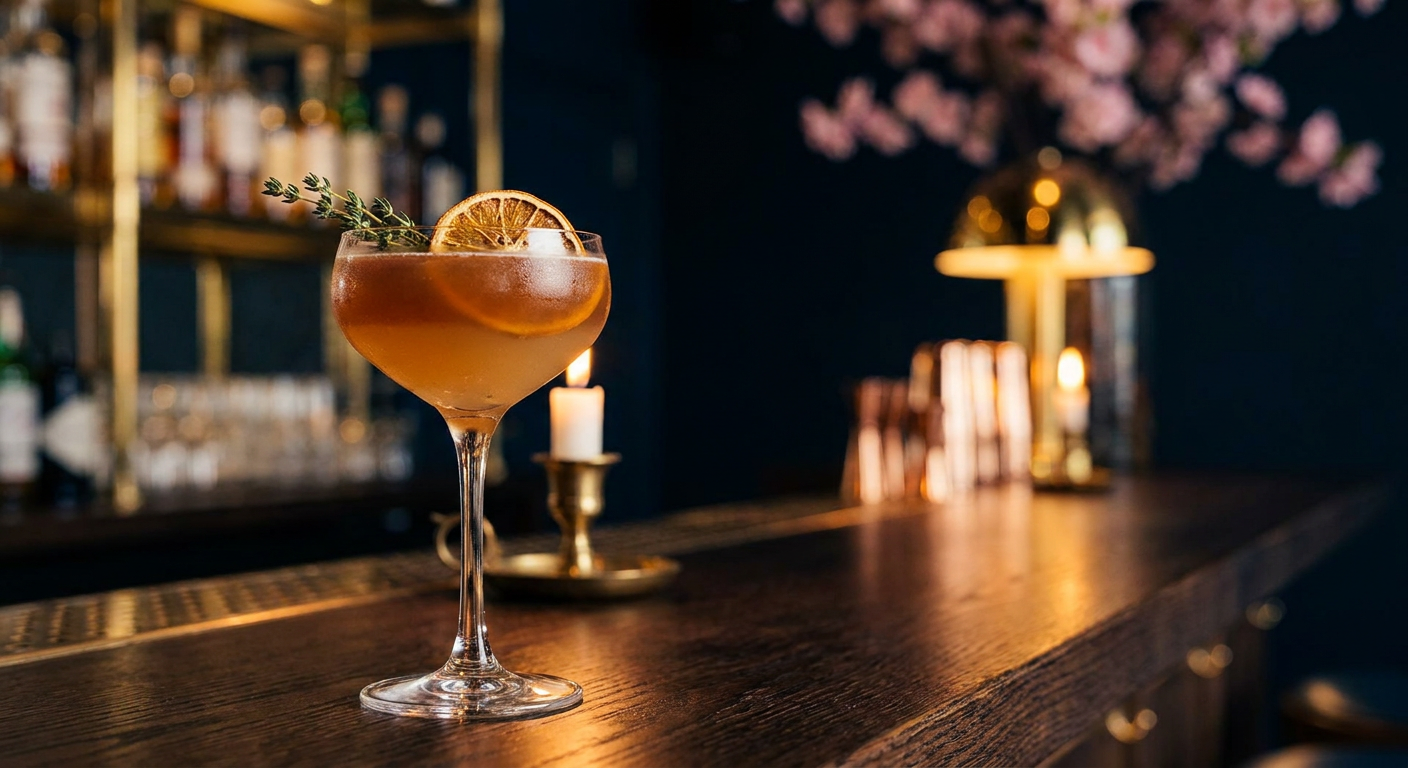
Drinks strategy affects the final bill significantly. Suggest a house wine or beer rather than everyone ordering separately. A group bottle of wine costs less per person than individual cocktails, though a cocktail bar in Aberdeen is worth the investment if your group is celebrating something specific. Alternatively, set a drinks budget per person and let people choose within that.
Skip the extras that inflate bills: premium bottled water and unnecessary add-ons. Ask the restaurant upfront what's included and what costs extra.
Planning a group dinner in Aberdeen comes down to clarity, confirmation, and choosing a venue that actually understands group dynamics. The details, headcount, dietary needs, transport, timing, aren't tedious obstacles. They're the foundation that lets everyone relax and enjoy the evening.
When you're ready to book, contact Hammerman's directly at hammermans.com. The team there has hosted countless group dinners and knows how to manage the logistics while keeping the focus on good food, good drinks, and good company.
Frequently Asked Questions
How far in advance should I book a table for a group dinner in Aberdeen?
For groups of 8 to 12 people, book at least 2 to 3 weeks ahead. Larger parties of 15 or more should book 4 to 6 weeks in advance, especially if you want a weekend slot or exclusive use of a private space. This gives the restaurant time to plan staffing, prepare set menus if needed, and arrange seating. Always confirm your booking closer to the date and provide a final headcount a few days before.
Do restaurants require a deposit for group bookings?
Many venues ask for a deposit or credit card details to secure a large group booking. This protects the restaurant against cancellations. The deposit amount and cancellation policy vary by venue, so ask about these terms when you book. Some restaurants may waive deposits for smaller groups or if you commit to a set menu or drinks package in advance.
How do I handle dietary requirements when planning a group dinner?
Collect dietary information from your guests well in advance, at least 2 weeks before your booking. Include allergies, vegetarian, vegan, gluten-free, and religious dietary needs. Share this list with the restaurant when you confirm your booking, and ask if they can offer a set menu that accommodates everyone or flexible options from the main menu. Smaller restaurants may offer more bespoke solutions than chain venues.
What should I consider when choosing between a standard table and a private hire venue?
A standard table works well for groups of 8 to 12 who want a social atmosphere and don't mind other diners nearby. Private hire venues suit larger parties (15+), corporate events, or celebrations where you want exclusive use, control over the space, and often a dedicated bar and catering setup. Private hire typically requires more notice and may have minimum spend or deposit requirements, but it gives you flexibility on timing, menu, and entertainment.
Keep reading
Related Articles
Ready to visit?
Book Your Table
Experience Hammerman's for yourself. Scottish small plates, handcrafted cocktails, and live music every weekend.
Book a Table