how-to
Why Use Fresh Citrus in Cocktails: A Bartender's Guide

Last Updated: August 8, 2026
Why Use Fresh Citrus in Cocktails
Fresh citrus in cocktails transforms a drink from functional to memorable. The difference between a cocktail made with fresh lemon juice and one made from a bottle sits somewhere between night and day, one tastes alive, the other tastes like it's been sitting in a cupboard since last Tuesday. At Hammerman's, our bar team treats fresh citrus as a non-negotiable foundation. It's not fussiness or showmanship. It's the difference between a drink that works and a drink that sings.
The reason is straightforward: fresh citrus delivers complexity that bottled juice simply cannot replicate. When you squeeze a lemon or lime, you're releasing volatile compounds, essential oils, and fresh acids that degrade rapidly once exposed to air. Bottled juice has already lost most of these elements. What remains is a one-dimensional sour note without the aromatic depth or balance that makes a great cocktail memorable.
Understanding why fresh citrus matters isn't just bartending trivia, it's the foundation for building better drinks at home or appreciating what separates a casual bar from one that takes craft seriously. Below, we'll walk through the science of acidity, how to choose the right fruit, techniques for getting the most from your citrus, and how to keep it fresh and vibrant.
The Role of Acidity in Flavour Balance
Acidity is the backbone of cocktail structure. A well-balanced drink sits in a sweet spot where acid brightens the spirit without overwhelming it. Too little acid and the drink tastes flat and one-dimensional. Too much and it becomes sharp and unpleasant. Fresh citrus juice gives you the acidity you need while adding aromatic compounds that bottled alternatives lack entirely.
The acid in citrus comes primarily from citric acid, which sits at a pH level that interacts beautifully with spirits. Fresh-squeezed juice typically contains around 5-8% citric acid by volume, depending on the fruit and ripeness. This natural acidity does more than just sour, it brightens other flavours, enhances the base spirit's character, and creates mouthfeel that feels balanced rather than harsh.
When you're building a cocktail, think of acidity as a seasoning. Just as salt brings out flavours in food, citrus acidity brings out character in spirits. A margarita without proper acid balance tastes muddy. A daiquiri becomes cloying. A sour loses its definition. The fresh juice delivers the precise sharpness needed to make everything else in the glass sing.
Many bartenders adjust their citrus ratios based on the spirit they're working with. A heavily aged rum might need more acid to cut through its richness. A delicate gin might need less. This flexibility, the ability to taste and adjust, is something you cannot do with bottled juice, which arrives at a fixed acidity level.
Best Citrus for Cocktails: Choosing Your Fruit
Not all citrus is created equal. The variety you choose, its ripeness, and its origin all affect the juice's flavour profile and acidity level. Understanding these differences means you can make smarter choices about which fruit works best for which drink.
Lemon and lime varieties
Lemon and lime are the workhorses of cocktail bars. Lemons deliver a bright, clean acidity with subtle floral notes. Limes bring a sharper, more herbaceous character. But within these categories, there's real variation.
For lemons, Eureka and Lisbon varieties dominate in the UK market. Eureka lemons are slightly more acidic and have thinner skin, making them easier to juice. Lisbon lemons are rounder and slightly sweeter. For most cocktails, either works, but Eureka lemons are the reliable choice if you're buying without knowing the source.
Limes present a more complex picture. Persian limes (the most common green limes in UK shops) are larger and less acidic than their smaller cousins. Key limes, which are harder to find locally, deliver a more intense flavour and higher acidity. If you're making a daiquiri or gimlet, the difference matters. Persian limes work fine for most applications, but key limes will give you a sharper, more distinctive drink.
Ripeness affects everything. A lemon that yields slightly to pressure will have more juice and better flavour than one that's rock-hard. Look for fruit that feels heavy for its size, that weight indicates juice content. Avoid anything with soft spots or visible mould.

Grapefruit, orange and specialty citrus
Grapefruit brings a bitter, assertive character that works beautifully in specific drinks. A Paloma made with fresh grapefruit juice is entirely different from one made with bottled, the bitterness feels integrated rather than artificial. Grapefruit's acidity is lower than lemon or lime, so you'll often use larger quantities to achieve balance.
Oranges are less common in classic cocktails but deserve more attention. Blood oranges deliver a tart, slightly berry-like character that works well in sours and punches. Regular oranges tend to be sweeter and less acidic, making them better suited to longer drinks and tiki cocktails where sweetness is part of the profile.
Specialty citrus, yuzu, bergamot, pomelo, are worth exploring if you can source them. These fruits offer distinctive flavour profiles that can elevate a drink from familiar to surprising. Yuzu brings a floral, slightly tropical note. Bergamot (the same citrus that flavours Earl Grey tea) delivers an aromatic, almost perfumed quality. These aren't everyday choices, but they're worth knowing about if you're interested in pushing beyond the classics.
Fresh-Squeezed vs. Bottled Citrus Juice
This is where the practical difference becomes undeniable. Fresh-squeezed juice contains volatile aromatic compounds and essential oils that begin degrading the moment the fruit is cut. Bottled juice has already lost most of these compounds. What you're left with is a one-dimensional acid without the complexity that makes fresh juice special.
Bottled juice also typically contains preservatives and sometimes added sugars or acids designed to extend shelf life. These additives change the flavour profile in ways that are difficult to mask. A cocktail made with bottled lemon juice tastes noticeably different from one made with fresh, flatter, less vibrant, less alive.
Fresh juice does have a shelf life. Properly stored in the refrigerator, fresh-squeezed citrus juice stays viable for about two to three days before oxidation begins to noticeably degrade the flavour and acidity. Some bartenders squeeze juice daily. Others prepare it in smaller batches throughout service. The key is understanding that freshness has a window, and quality degrades over time.
For home bartenders, this constraint is actually manageable. If you're making cocktails for a dinner party, squeeze your juice a few hours beforehand and store it in a sealed container in the coldest part of your fridge. The difference between juice squeezed that morning and juice squeezed three days prior is substantial enough to notice.
Balancing Cocktails with Acid: Technique and Timing
Balancing cocktails with acid is both science and intuition. The classic sour template, two parts spirit, one part fresh citrus juice, half a part sweetener, exists because it works. But understanding why it works gives you the flexibility to adjust based on the specific spirit, the specific citrus, and what you're trying to achieve.
Start with the template, then taste. The acid should brighten the spirit without dominating it. If the drink tastes flat, you likely need more acid. If it tastes sharp or unpleasant, you may have added too much, or your sweetener is insufficient to balance the acidity. This is where fresh juice's variability becomes an asset, you can taste and adjust in ways you cannot with a fixed bottled product.
Timing matters too. Add your citrus juice to the mixing vessel just before shaking or stirring. Citrus juice begins oxidising immediately, and this oxidation affects both flavour and the drink's ability to achieve proper balance. Juice that's been sitting in your mixing glass for ten minutes will taste noticeably different from juice added moments before shaking.
Temperature also affects perception. A drink served ice-cold will taste sharper than the same drink at room temperature, cold suppresses our ability to perceive sweetness and makes acidity more prominent. This is why a daiquiri that tastes perfectly balanced when freshly made might taste slightly sharp once it's warmed up slightly in your hand.
Storage, Oxidation and Keeping Citrus Fresh
Fresh citrus deteriorates predictably. Oxidation begins the moment you cut into the fruit, accelerating once the juice is exposed to air. Understanding this process helps you minimise quality loss and maximise the window when your juice is at its best.
Whole citrus fruits last far longer than juice. A lemon or lime stored in a cool cupboard will stay viable for two to three weeks. Refrigerated, they'll last four to six weeks. The cooler temperature slows the natural ripening process and extends the window before the fruit begins to deteriorate. If you're serious about fresh citrus, buy whole fruit and juice it as you need it rather than preparing large batches in advance.
Once juiced, citrus juice oxidises rapidly. Exposure to air accelerates this process. The best storage method is an airtight container in the coldest part of your refrigerator. Some bartenders add a thin layer of cling film directly over the juice surface before sealing the container, this minimises air exposure and can extend viability by a day or so. Even with perfect storage, plan on using fresh juice within two to three days.
Oxidation affects both flavour and chemical composition. The acidity level can shift slightly as the juice ages, making balance calculations unreliable. The aromatic compounds that make fresh juice special degrade rapidly. This is why juice squeezed that morning tastes noticeably better than juice squeezed yesterday, even if both are stored identically.
For bars operating at volume, this constraint shapes workflow. Some establishments squeeze juice multiple times throughout service. Others prepare it in smaller batches and discard what isn't used within a set timeframe. This seems wasteful until you taste the difference between a drink made with fresh juice and one made with juice that's been sitting for hours.
Citrus Oils, Zest and Aromatic Depth
The oils in citrus skin contain aromatic compounds that are entirely absent from the juice itself. These oils, the essential oils expressed from the peel, deliver complexity and fragrance that elevate a drink beyond what juice alone can achieve. This is why professional bartenders express citrus oil over a finished cocktail, and why home bartenders should learn to do the same.
Expressing citrus oil is straightforward. Take a piece of citrus peel (roughly the size of a coin), hold it skin-side-down over the finished drink, and bend it sharply. You'll see a fine mist of oil spray across the surface of the drink. This mist contains the aromatic compounds that make the drink smell incredible and add a subtle layer of flavour that many drinkers notice even if they can't articulate what they're experiencing.
The difference between a margarita with expressed lime oil and one without is immediately apparent. The oil adds fragrance and a subtle aromatic note that makes the drink feel more refined and intentional. It's not a requirement, the drink is perfectly drinkable without it, but it's the detail that separates a casual cocktail from a craft one.
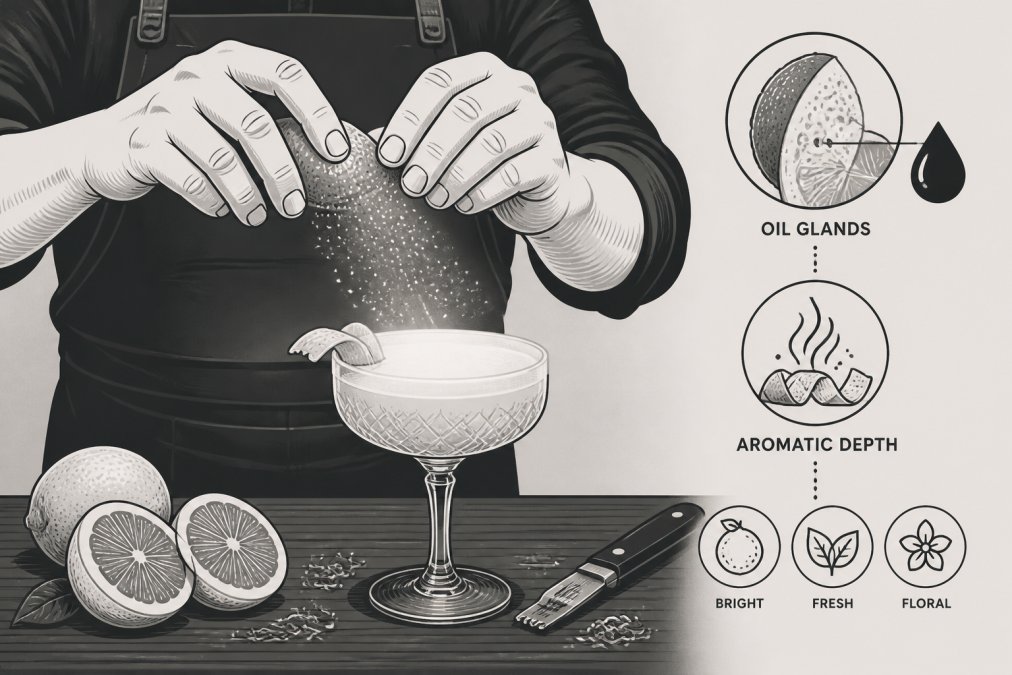
Zest, the coloured outer layer of the peel, can also be used as a garnish or muddled into drinks. Zest contains the same essential oils as expressed oil, but in solid form. Muddling zest into a drink releases these oils and integrates them into the liquid. This technique works particularly well in punches and batch cocktails where you want the aromatic benefit throughout the drink rather than just on the nose.
Conclusion
Fresh citrus in cocktails matters because it delivers complexity, balance, and aromatic depth that bottled juice cannot replicate. From the role of acidity in creating structure to the subtle aromatics of expressed oil, every element of a well-made cocktail depends on the quality of your citrus.
The practical takeaway is simple: squeeze your juice fresh, use it within hours if possible, and express the oil over your finished drink. These small details compound into drinks that taste noticeably better, drinks that feel alive rather than functional.
If you're in Aberdeen and want to experience what fresh citrus cocktails taste like in the hands of bartenders who understand these principles, the Cocktail Bar Aberdeen at Hammerman's on Golden Square is worth a visit. Our bar team treats fresh citrus as the foundation of every drink we make. Book a table at hammermans.com and taste the difference that craft and fresh ingredients make.
Frequently Asked Questions
Why is fresh citrus essential for balancing cocktail flavours?
Fresh citrus juice contains natural acids, primarily citric acid, that brighten spirits and balance sweetness. This acidity enhances the mouthfeel and creates a more complex flavour profile than bottled alternatives. The fresh-squeezed juice also carries aromatic compounds that add depth, making the drink feel more refined and intentional. Bartenders use this acid to tame harsh notes in base spirits and amplify subtle flavours that would otherwise fade.
Do bartenders really use fresh lemon juice in cocktails?
Yes. Professional bartenders at serious cocktail bars squeeze citrus to order. Fresh juice oxidises quickly and loses its aromatic qualities within hours, so using it fresh ensures the best flavour and mouthfeel. Bottled juice contains preservatives and lacks the vibrant sharpness that makes classic cocktails like the Daiquiri or Margarita work properly. The difference is noticeable enough that craft bartenders consider it non-negotiable.
What's the best citrus for different types of cocktails?
Lemon works best in sour-style cocktails and spirit-forward drinks where you need brightness without competing aromatics. Lime is ideal for tropical and refreshing cocktails, offering a sharper sour profile. Grapefruit adds bitterness and complexity to spirit-forward drinks, while orange and other citrus varieties work well in sours where you want a softer, sweeter edge. The choice depends on the base spirit and what flavours you're trying to enhance or balance.
How long does fresh citrus juice stay good in a cocktail?
Fresh-squeezed juice is best used within 30 minutes of squeezing, though it remains usable for up to 8 hours if refrigerated in an airtight container. After that, oxidation begins to dull the aroma and acidity. Some bartenders preserve juice using a technique called 'super juice' where they add a small amount of citric acid to extend shelf life whilst maintaining freshness. Proper storage in a cool environment slows degradation, but nothing beats juice squeezed moments before mixing.
Keep reading
Related Articles


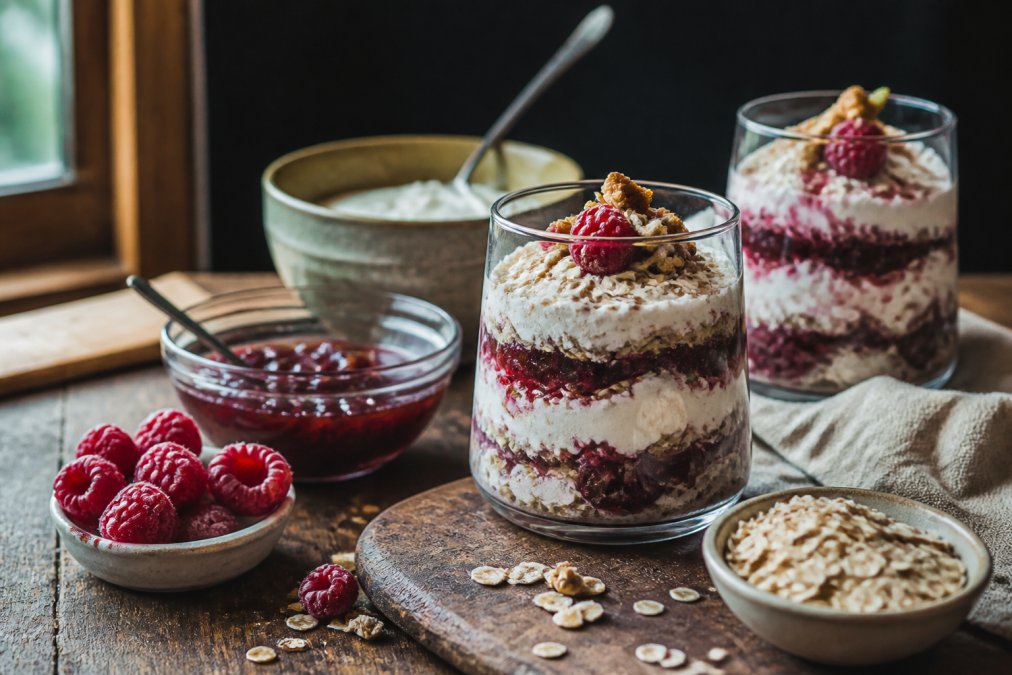
Read how Hammerman's creates its drinks in our guide to scratch-made cocktails in Aberdeen.
Ready to visit?
Book Your Table
Experience Hammerman's for yourself. Scottish small plates, handcrafted cocktails, and live music every weekend.
Book a Table